This is slide 1 description. Go to Edit HTML and replace these sentences with your own words. This is a Blogger template by Lasantha - PremiumBloggerTemplates.com...
This is Slide 2 Title
This is slide 2 description. Go to Edit HTML and replace these sentences with your own words. This is a Blogger template by Lasantha - PremiumBloggerTemplates.com...
This is Slide 3 Title
This is slide 3 description. Go to Edit HTML and replace these sentences with your own words. This is a Blogger template by Lasantha - PremiumBloggerTemplates.com...
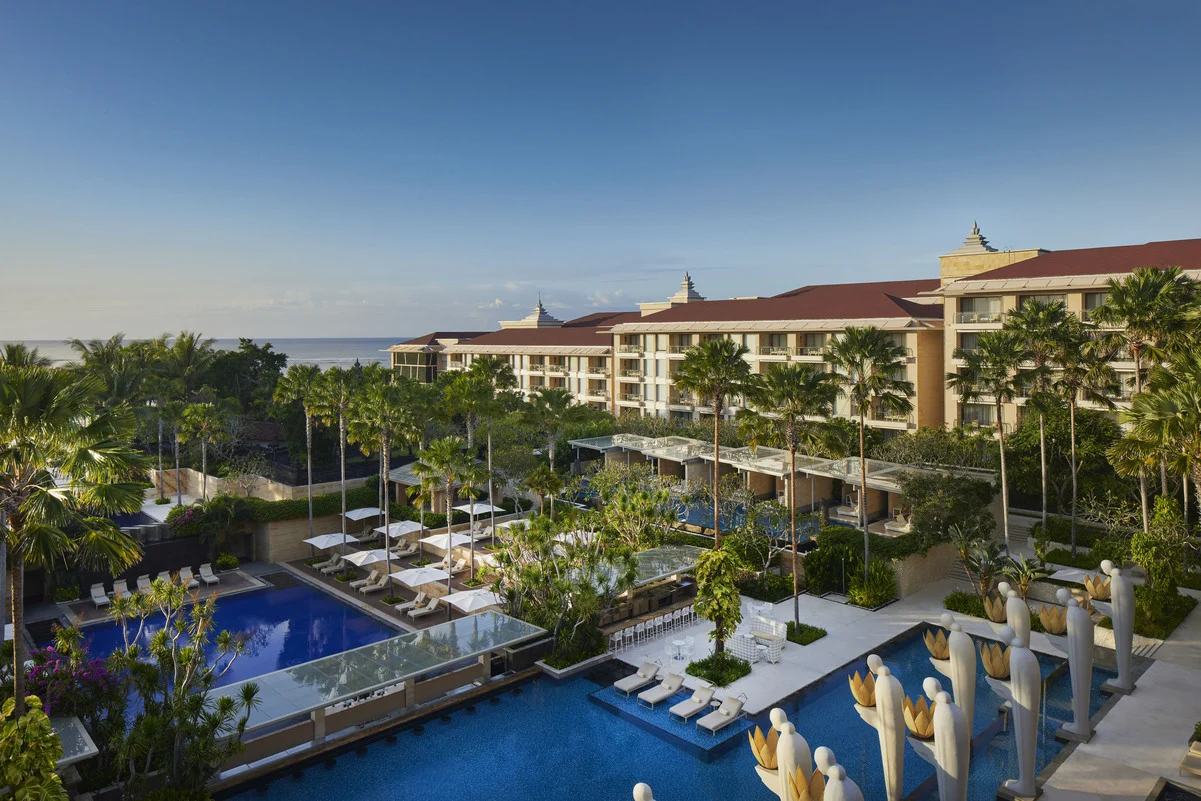
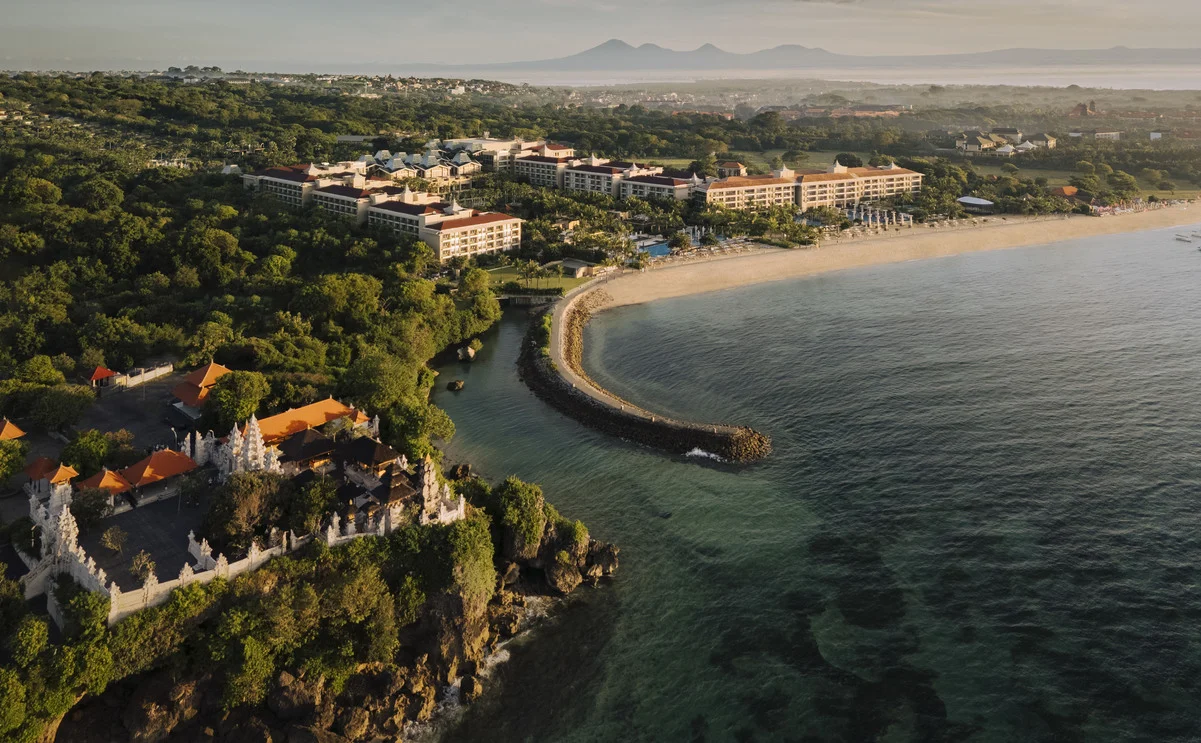
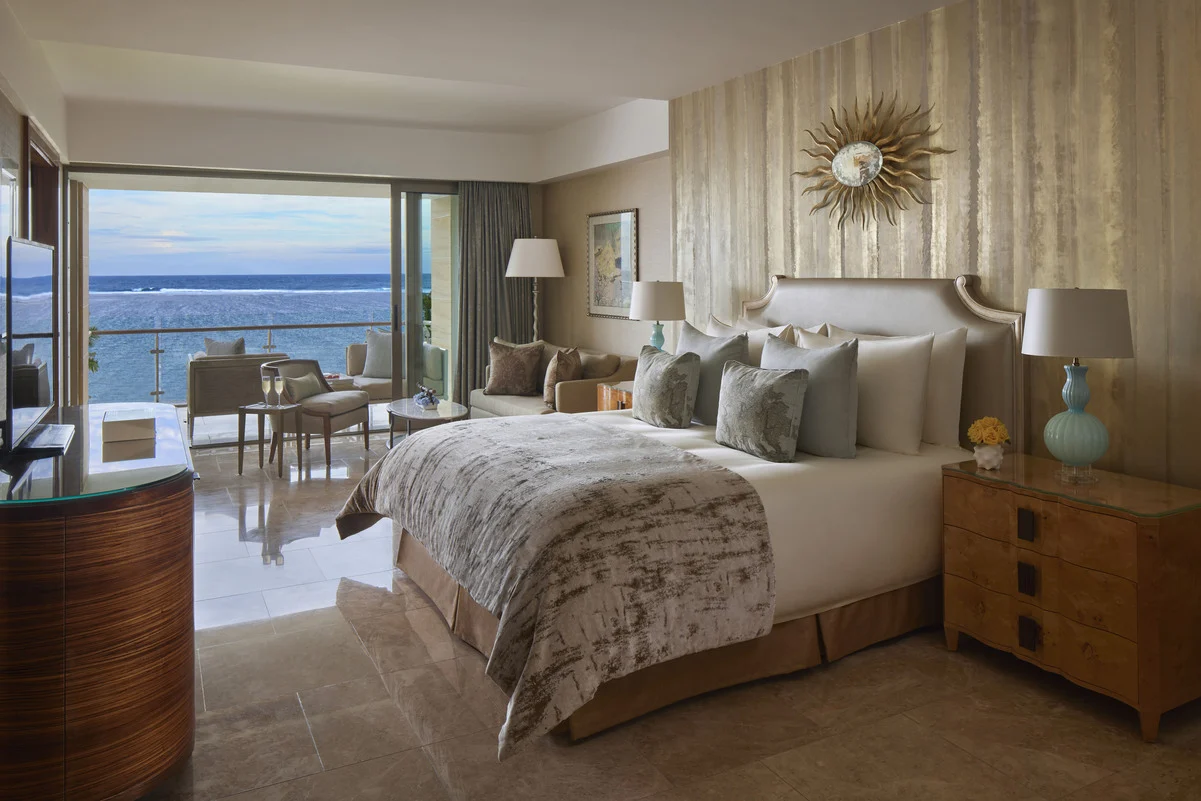
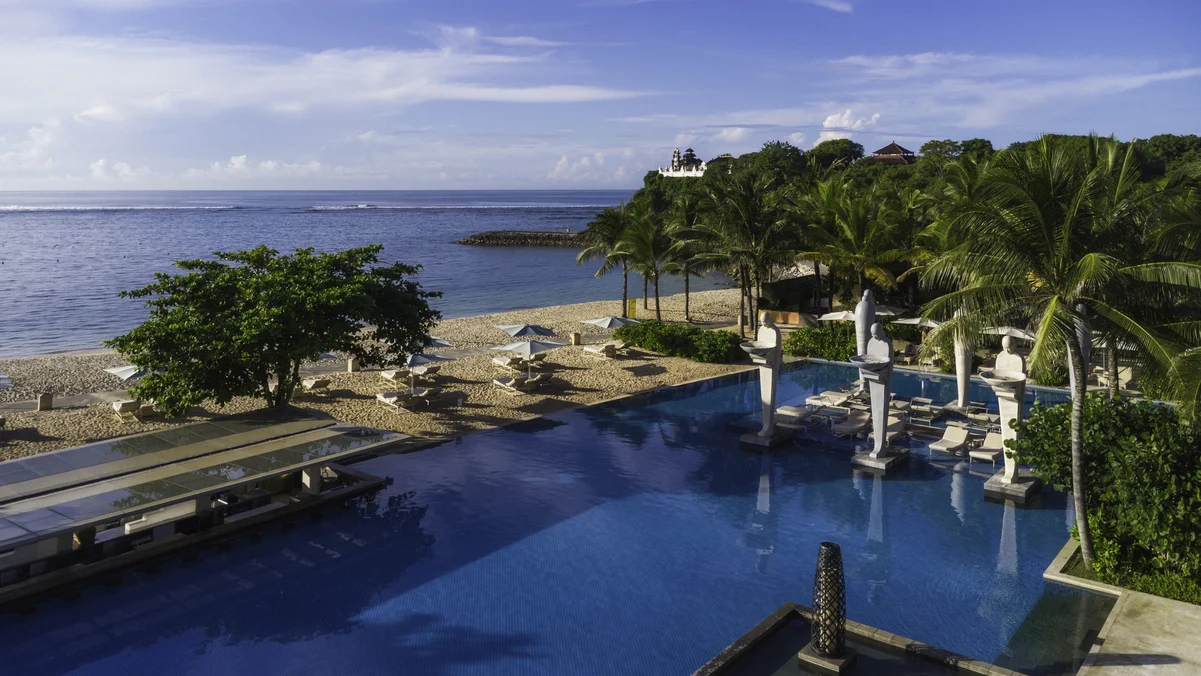
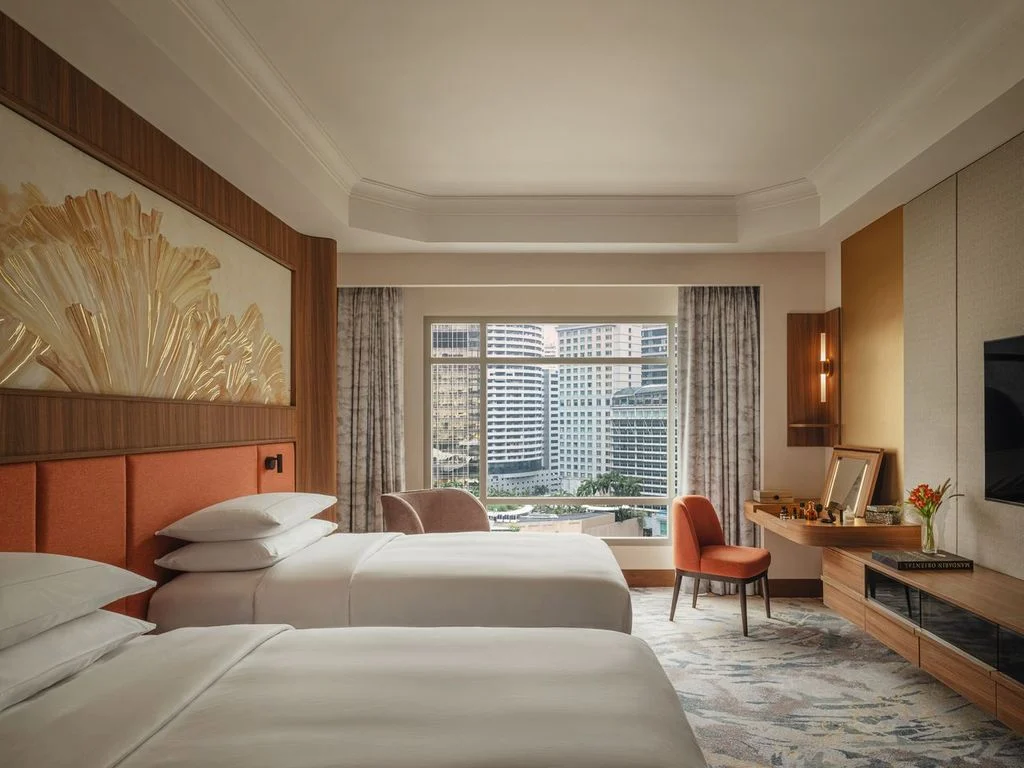
This summer, The Mulia, Mulia Resort & Villas – Nusa Dua, Bali invites families to discover a more thoughtful way of travelling together, with children placed at the heart of the holiday experience. Set along the pristine coastline of Nusa Dua, Mulia Bali brings together spacious family accommodation, dedicated children’s programming and immersive island experiences for a summer escape designed across generations. The recognition reflects the resort’s continued dedication to exceptional hospitality and memorable guest experiences.
Source: Mulia Resorts
Mulia Resort, part of The Mulia, Mulia Resort & Villas – Nusa Dua, Bali, has been recognised among Indonesia’s Top 10 Resorts in the prestigious Condé Nast Traveler Readers’ Choice Awards 2026.
Now in its 39th year, the annual Readers’ Choice Awards celebrate exceptional travel experiences around the world, as selected by the publication’s readers. This recognition holds particular significance as it reflects the perspectives and experiences of travellers who have explored some of the world’s most distinguished destinations.
Source: Mulia Resorts
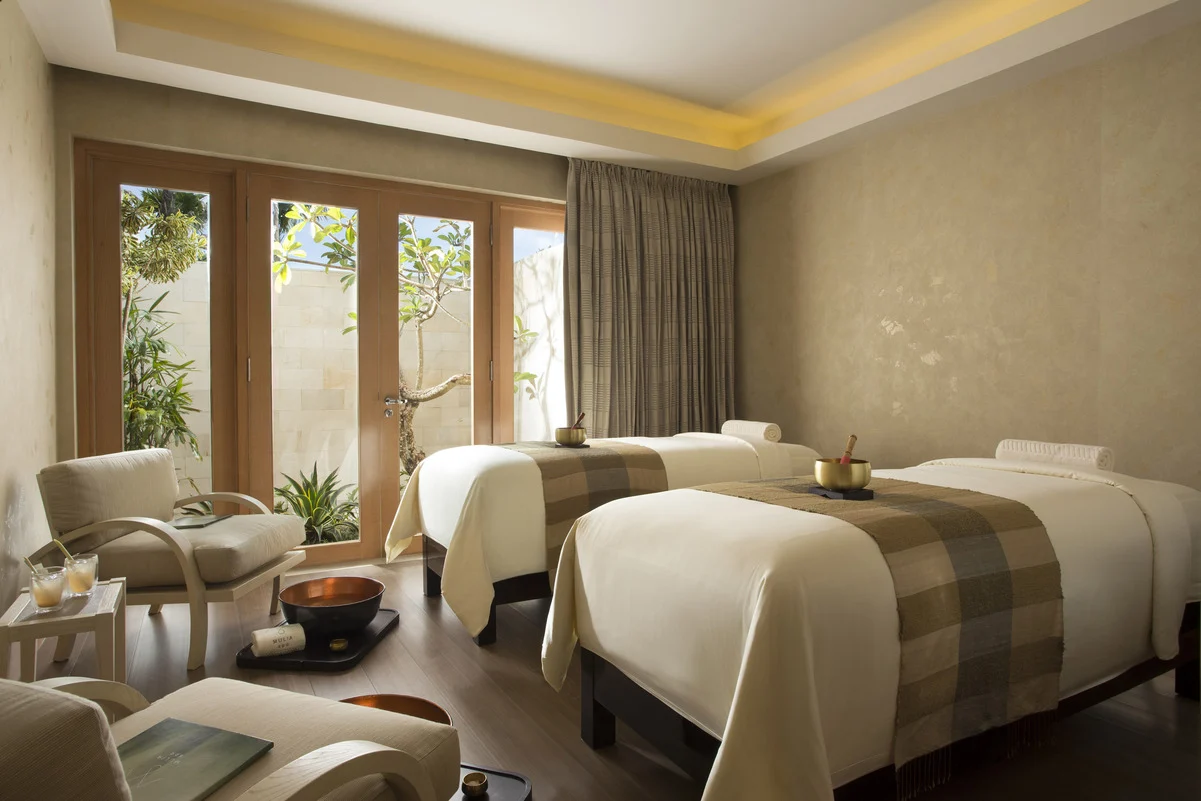
Set along the pristine beachfront of Nusa Dua, Mulia Resort offers a distinctive interpretation of luxury hospitality, where elegant accommodations, exceptional culinary experiences and attentive service come together to create memorable stays. From its spacious rooms and suites to its diverse dining destinations, expansive swimming pools and wellness facilities, the resort provides an inviting setting for guests to experience Bali at their own pace.
Source: Mulia Resorts
The recognition is a meaningful reflection of the trust and appreciation of guests who continue to choose Mulia Resort for their holidays and special occasions. It also acknowledges the dedication of the resort’s team members, whose attention to detail and commitment to gracious hospitality shape the experiences enjoyed by guests throughout their stay.
Adding to Mulia Bali’s collection of international accolades, this latest distinction reinforces the resort’s ongoing commitment to creating thoughtful, personalised experiences while continually elevating its standards of hospitality.
Source: Mulia Resorts
As Mulia Resort continues to welcome travellers from around the world, the recognition serves as an inspiration to further enrich the moments and memories that make each stay distinctive.
A2O SOUL, the 15-member boy group launched by K-pop mogul Lee Soo-man, is set to release its debut album “SUPERSTAR” on Nov. 9, less than a month after unveiling a pre-release single of the same name at its global debut showcase.
The five-track EP is led by “SUPERSTAR,” which also serves as the pre-release single, and a second lead track, “Dancing in the Dark.” The agency describes all five songs as “new synth-wave,” a genre label the group coined to define its musical identity.
Lee, the founder of SM Entertainment, set the album’s musical direction and personally picked songwriters he had never worked with before, the agency said.
“SUPERSTAR,” released Oct. 13, was co-written by long-time SM producer Yoo Young-jin, along with HAAN, who worked on The Kid LAROI and Justin Bieber’s hit “Stay,” and GENT!, whose credits include songs for Drake and Doja Cat.
The single climbed to No. 18 on YouTube’s trending music chart and made a strong showing on China’s QQ Music, where it ranked second on the new songs chart, sixth on the popular songs chart and fourth on the global music video chart.
On the QQ Music new songs chart, it trailed only “NEON” by labelmate girl group A2O LITE, giving the agency’s two acts the top two spots.
The physical album will come in three versions, two photobook editions and one platform album, with pre-orders open at major online and offline retailers in Korea and overseas.
Who says gaming and K-pop can’t go hand in hand? BLACKPINK’s Lisa is bringing her personal style into the gaming world with an exciting new collaboration with PlayStation!
The K-pop star has teamed up with Sony to introduce the DualSense Wireless Controller-Lisa Limited Edition, a specially designed PlayStation 5 controller featuring details inspired by her personality and signature look.
The limited-edition controller is set to launch on 30th October 2026, giving fans a chance to add a little Lisa-inspired style to their gaming setup.
A PlayStation Controller With Lisa’s Personal Touch
Unlike a typical celebrity collaboration, Lisa was closely involved in designing the controller from the early stages, making sure it included details that were meaningful to her.
One of the biggest highlights is an illustration of Lisa’s signature bangs and eyes, featured on the controller’s touchpad.
The controller also comes in a beautiful chroma pearl finish, along with her signature star design and bold “LL” lettering, representing her initials.
These small details give the controller a personal touch while keeping the familiar design of PlayStation’s DualSense controller.
The limited-edition controller is priced 129,000 won (approximately US$97), with preorders having opened in South Korea.
More Than Just A Gaming Controller!
But the collaboration doesn’t stop at the PS5 controller. PlayStation is also introducing a collection of Lisa-designed merchandise, giving fans even more ways to enjoy the collaboration.
The collection includes clothing, hats, tote bags, keychains, stickers and a special carrying case for the DualSense controller. Speaking about the collaboration, Lisa shared that gaming has always been one of her favorite ways to relax.
image source: playstation
“Gaming is something I do whenever I have time to relax, so getting to create this collection with PlayStation was very exciting. I had a lot of fun adding in little details that I knew my fans would notice, and I wanted the fans to have something they can connect with,” Lisa shared.
For Lisa, the collaboration also offered a chance to explore her creativity beyond music and fashion.
Lisa And PlayStation’s Partnership Continues
This isn’t Lisa’s first time working with PlayStation.
In 2025, she appeared in a PlayStation 5 advertising campaign which featured popular games including Astro Bot, Helldivers 2, Tekken 8 and Marathon.
Now, she’s taking that partnership one step further by creating a gaming accessory that reflects her own style. With its personalized design and matching merchandise, the DualSense Wireless Controller-Lisa Limited Edition brings together Lisa’s love for gaming, fashion, and creativity.
And for BLINKs who also happen to be gamers, this might just be the perfect addition to their PlayStation collection!
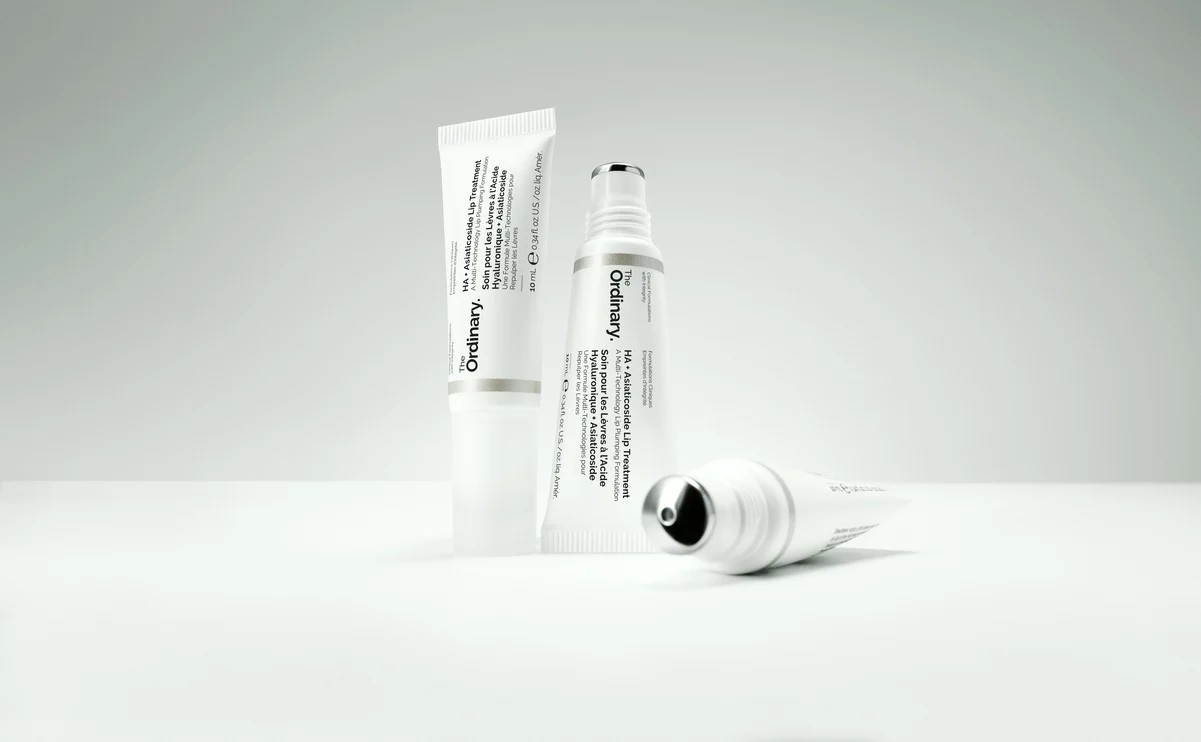
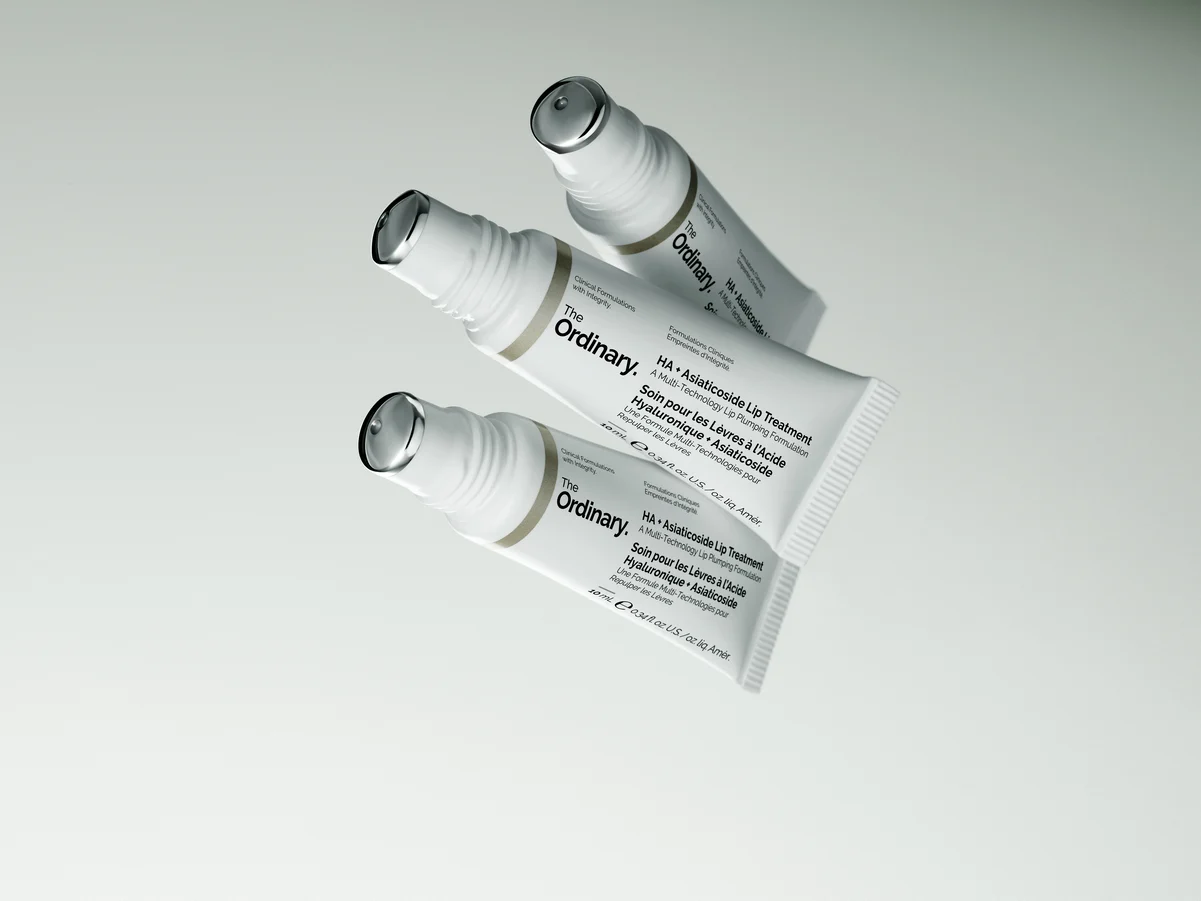
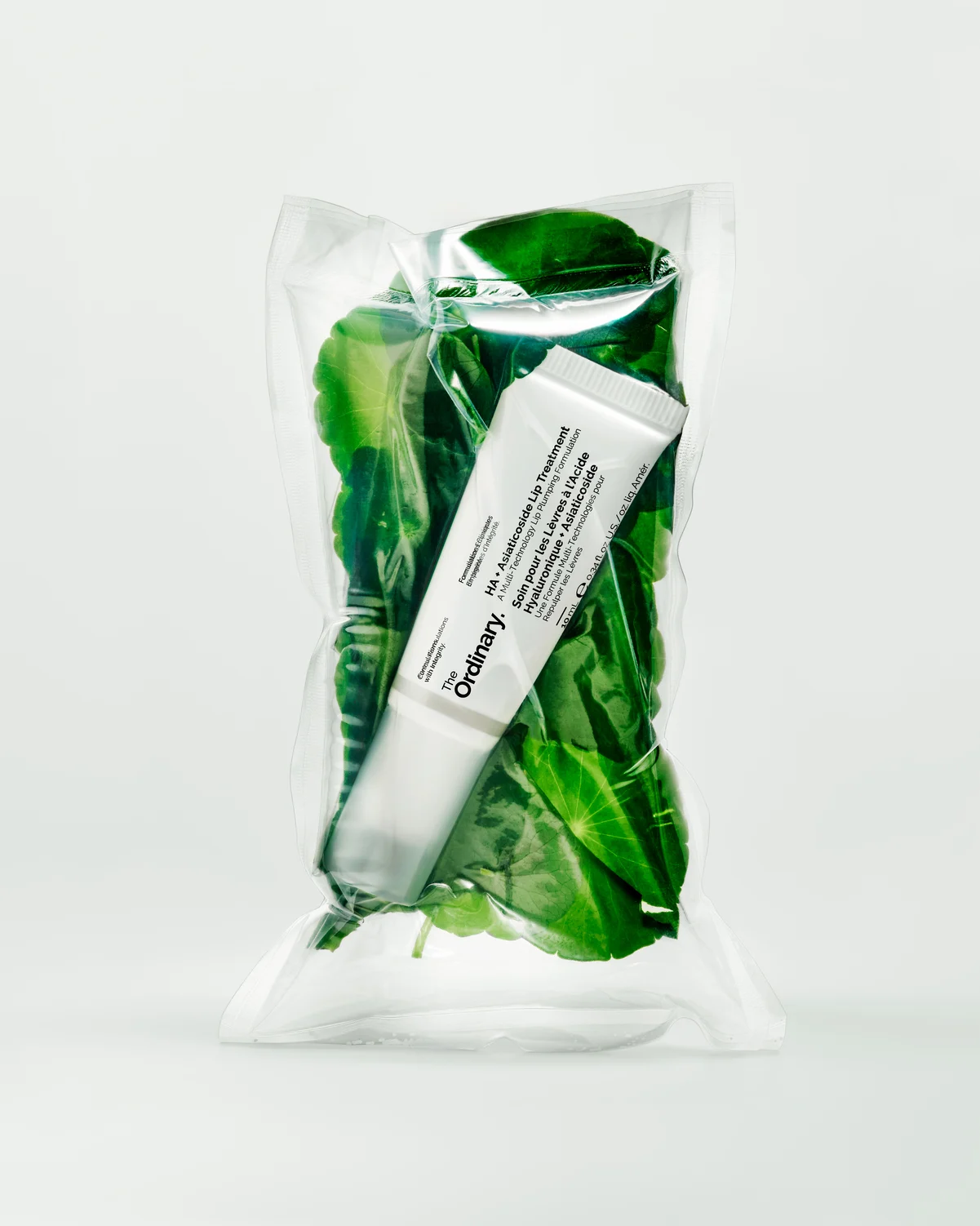
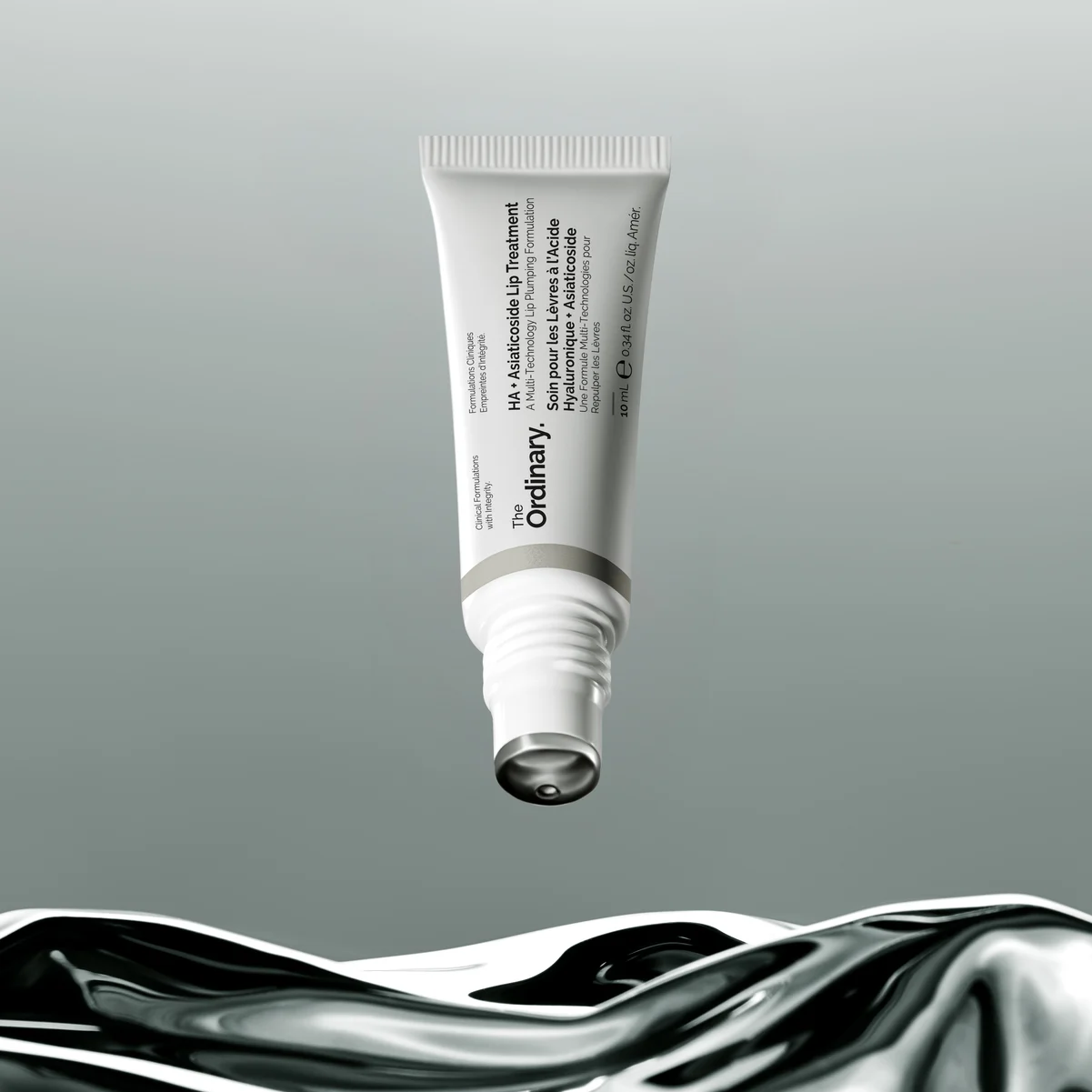
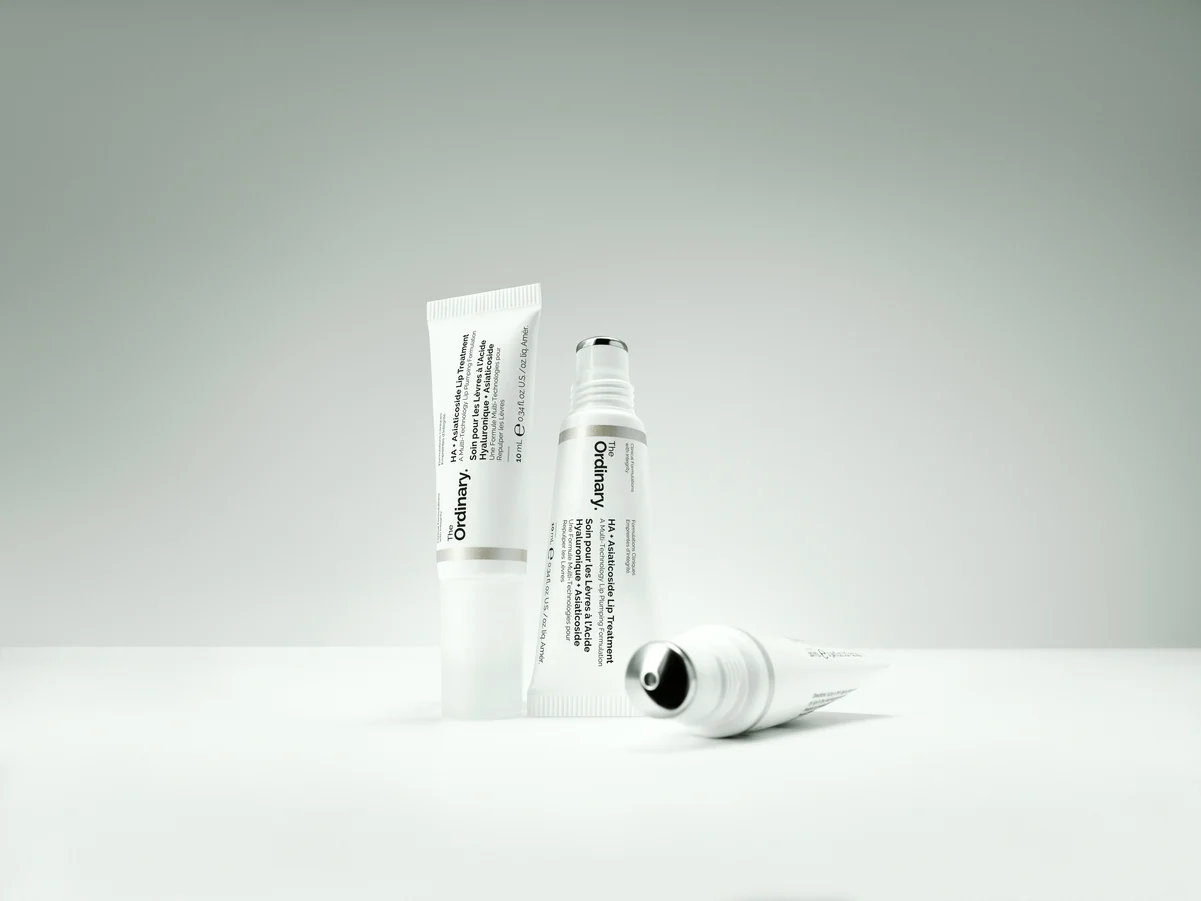
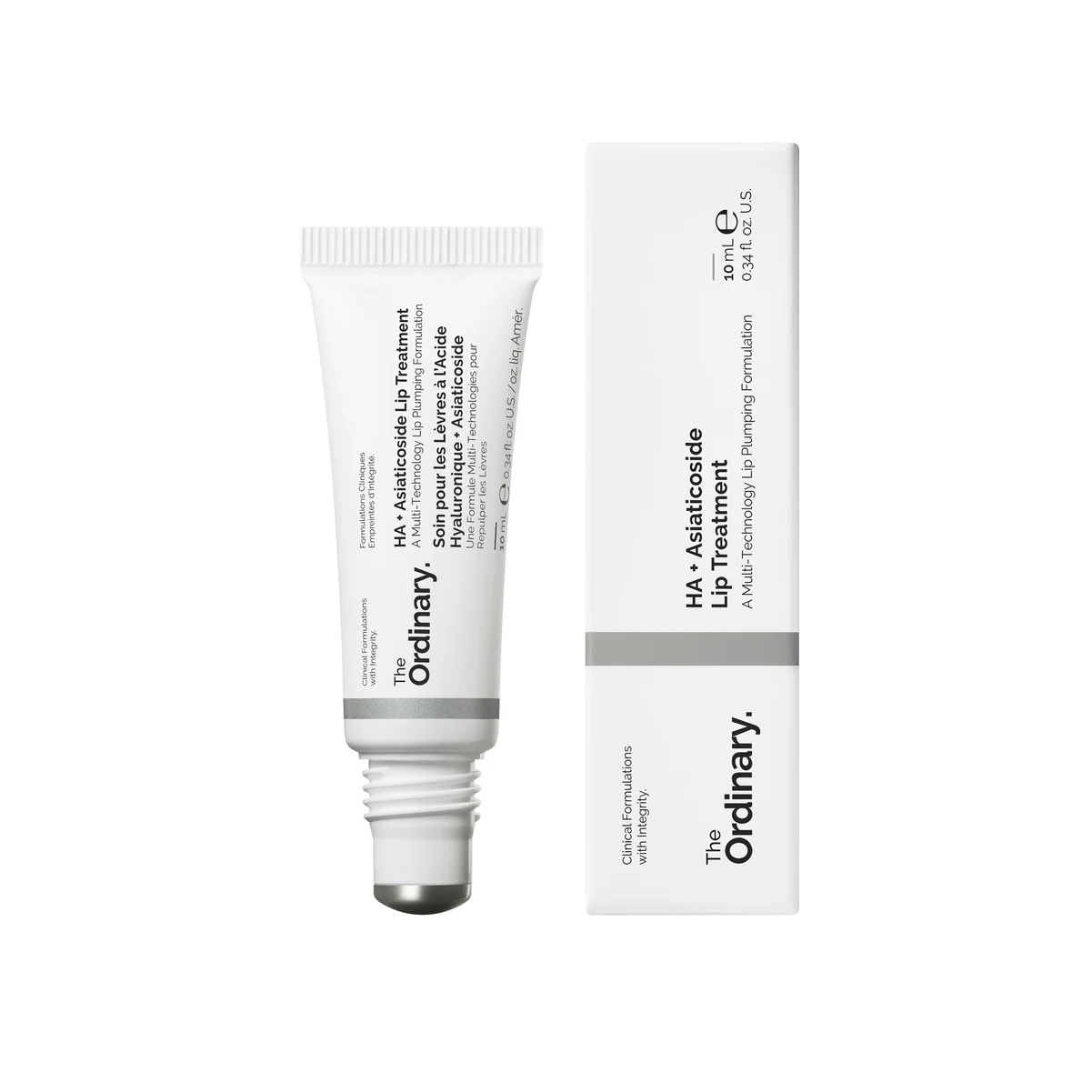
On October 13th, The Ordinary launched HA + Asiaticoside Lip Treatment, a multi-active lip formulation for immediate plumping and visible age support.
The pursuit of “lip plumping” has dominated the lip care and cosmetic space for over a decade. From stinging, short-term formulas to viral lip plumping challenges, the category has largely been shaped by the rise of filler culture, with lip enhancement and augmentation becoming one of the most sought-after non-surgical cosmetic procedures.
In 2023, a noticeable shift emerged. Attitudes toward exaggerated volume decreased, initiating “The Great Filler Dissolve”. A 2025 WGSN Report, in collaboration with The Ordinary, saw that Google searches for ‘lip injections’ have decreased by -18% year-over-year, with searches for ‘permanent lip filler’ dropping by -12% in the same time period. However, research shows the desire for enhancement has not disappeared; it has simply evolved.
Source: The Ordinary
With interest in skin longevity increasing, consumers are moving away from quick fixes and opting towards a proactive, long-term investment in healthy-looking skin. The ever-growing trend of skin longevity is expected to increase +30% YoY, influencing trends across the lip care category where consumers are increasingly seeking a more natural, long-term approach. The current focus is on subtle enhancement of lip appearance—driving the rise of non-injectable hybrids that combine immediate effects with smoothing, conditioning, and rejuvenation benefits.
As part of this evolution, HA + Asiaticoside Lip Treatment, The Ordinary’s latest lip-care launch, is designed to not only deliver instant plumping, but target long-term signs of aging—improving lip definition, shape, and colour over time.
Targeted Lip Ingredients:
At the core of the formula is a multi-molecular HA complex, selected based on ingredient data specific to the biologically distinct nature of lip tissue, rather than facial skin.
Source: The Ordinary
Source: The Ordinary
Fermented hyaluronic acid helps to prevent dehydration while visibly improving lip definition and reducing the appearance of lip lines over time.
Encapsulated hyaluronic acid, chosen for its high molecular weight and hydrating capacity, delivers immediate plumping hydration, with efficacy testing conducted specifically on lip skin.
Source: The Ordinary
Testing shows:
Visibly plumps lips to boost their natural volume immediately
Reduces the appearance of fine lip lines
Visibly enhances the natural lip line to define and improve lip shape
Visibly improves the color and texture of bare lips
Lips immediately look 93% more hydrated
Source: The Ordinary
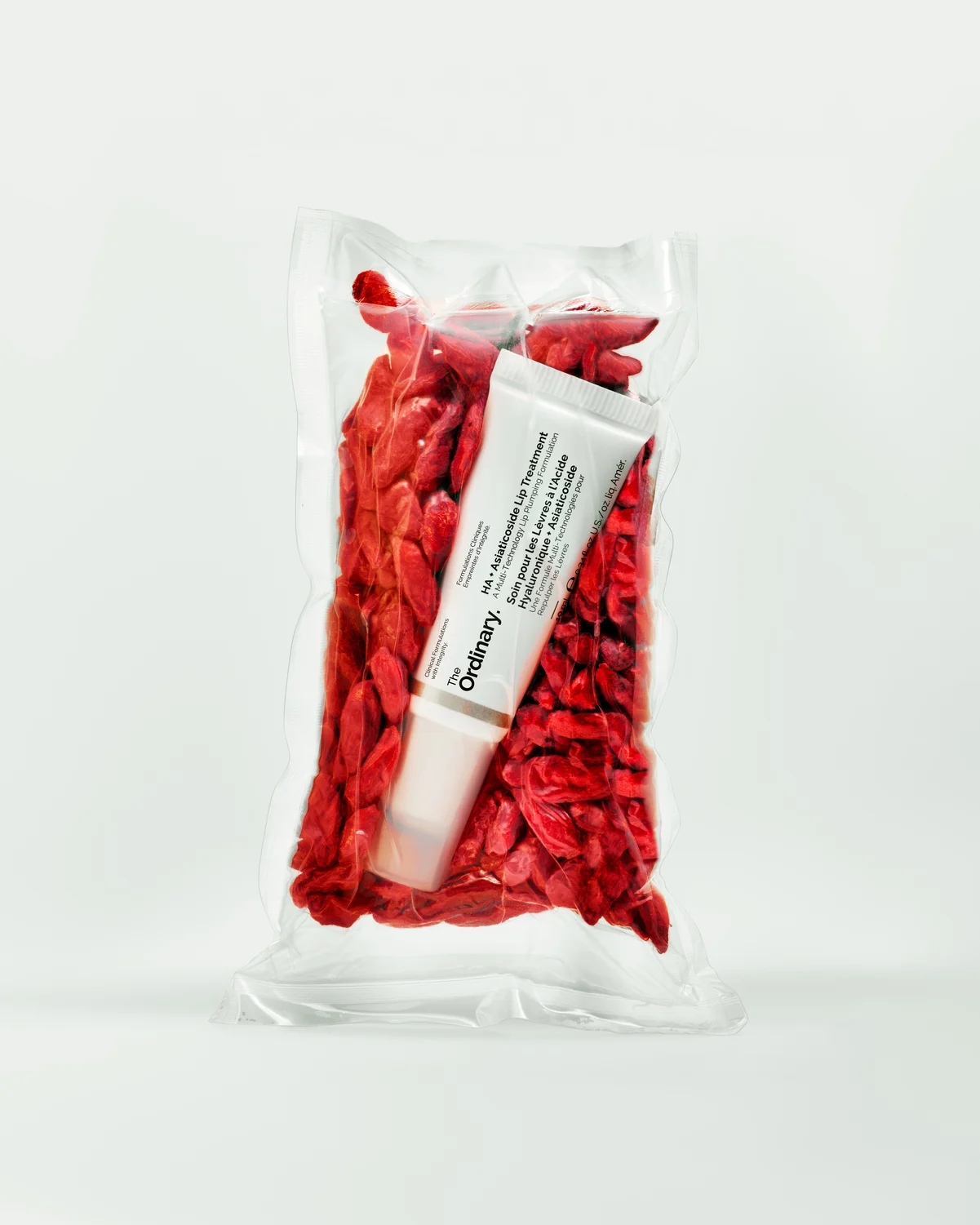
The formula is further supported by a targeted blend of lip-focused ingredients. Asiaticoside works to support the skin’s natural collagen, helping to visibly reduce lip wrinkles, while goji berry extract supports skin components responsible for lip volume.
The result? A non-sticky emulsion that delivers comfortable plumping—without tingling—while enhancing lip contour for a fuller-looking shape. With continued use, it improves the overall appearance of lips, enhancing their natural colour while helping to prevent moisture loss for a smoother, softer finish.
Lip Volume Over Time:
While lip plumping generally refers to temporary changes in skin volume due to the skin’s hydration levels, lip volume is inherent and is maintained by a collection of important structural molecules below the skin’s surface layers. Over time, these molecules become sparse and/or damaged by both the passing of time and exposure to external factors (such as UV radiation, pollution, smog, etc.) that can generate oxidative stress and inflammation. As a result, the lips lose some of that fullness and volume as you age.
So, how does this show up beneath the surface?
Epidermis (Surface): Lips lose their natural flush as the number of superficial blood vessels is reduced, while weakened connection between dermis and epidermis leads to a flatter look and less defined lip contours. At the same time, declining ceramides and an altered lip skin barrier composition leave lips drier and less able to hold moisture.
Dermis (Support Layer): Decreased blood vessel area contributes more to a reduction in lip redness, while reduced structural integrity contributes to fine lines and a decrease in lip volume. Collagen content and hyaluronic acid levels drop, further reducing this volume.
Hypodermis (Foundation): Decreased dynamic muscular support contributes to subtle drooping and changes in lip contour. The role of fat loss is still being explored, pointing to future opportunities in advanced lip care.
Source: The Ordinary
Under the skin’s surface, age-driven changes in lip structure and surrounding tissues gradually reshape how lips look on the outside. But while skincare alone can’t address every shift, enhancing volume and definition helps bring balance to the appearance of aging lips. With HA + Asiaticoside Lip Treatment, consumers will not only receive this long-term support, but immediate plumping hydration too.
Product Details & Pricing
Source: The Ordinary
Product Name: The Ordinary HA + Asiaticoside Lip Treatment
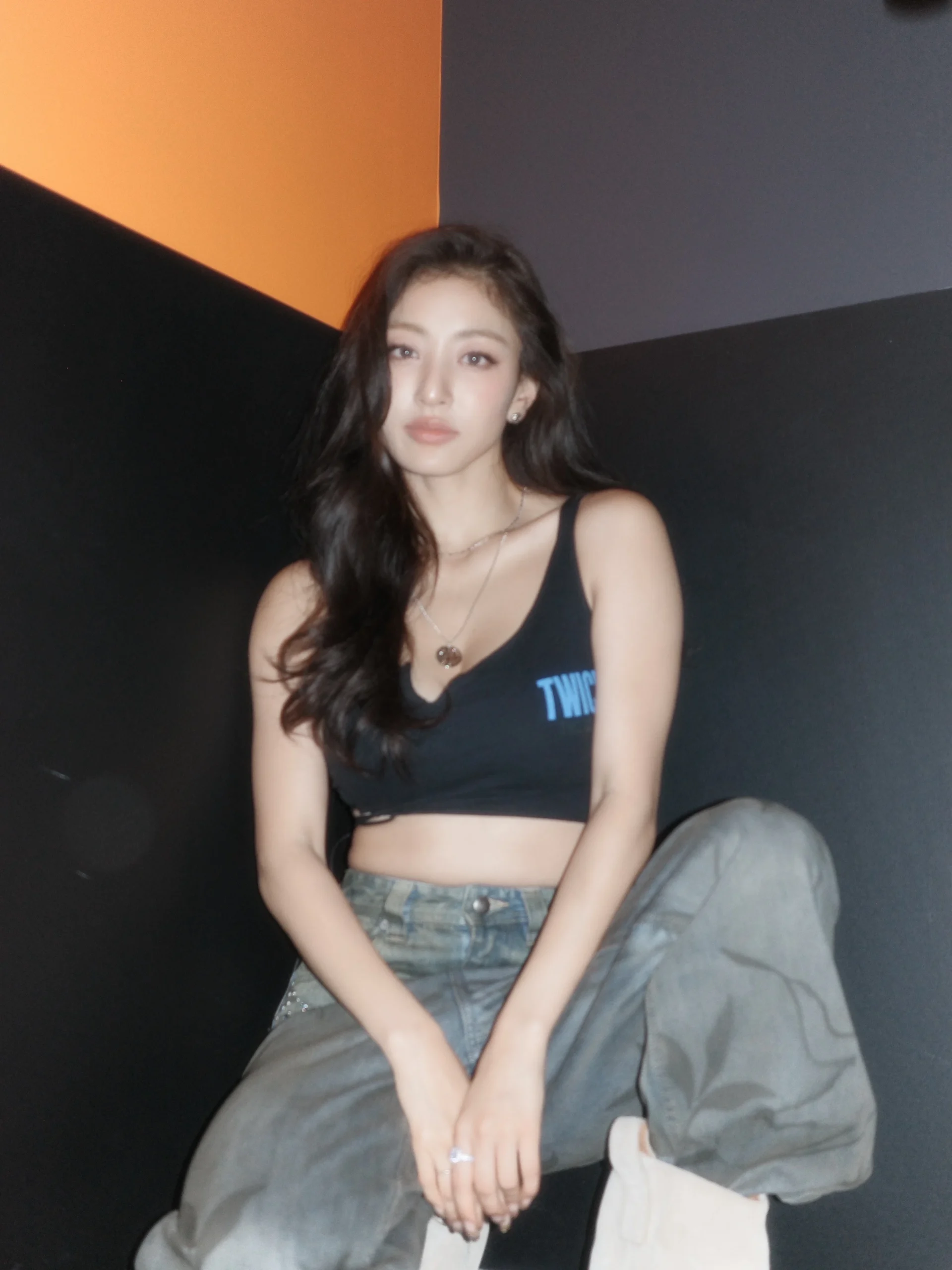
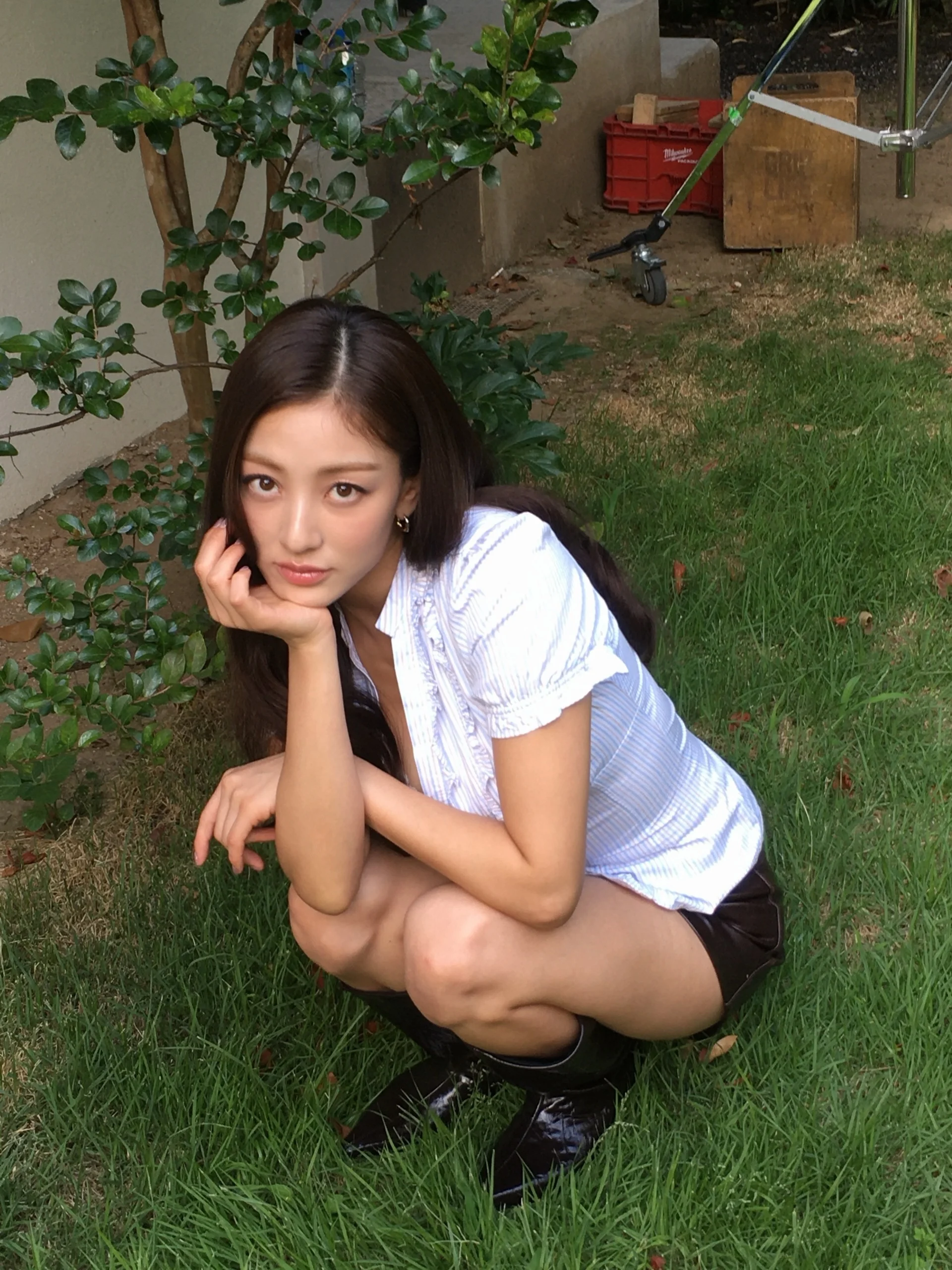
After spending more than two decades with JYP Entertainment, TWICE’s Jihyo is officially beginning a new chapter in her career!
The 29-year-old K-pop star announced it yesterday (21st October 2026) that she has parted ways with the entertainment company after 21 years to establish her own agency, Emithaus.
image source: _zyozyo
But don’t worry, ONCEs! While Jihyo is moving forward with her own agency, she will continue her activities as a member of TWICE.
Jihyo Begins A New Chapter with Emithaus
Jihyo shared the news through a handwritten letter posted on social media, opening up about her decision to leave the company she had been part of since childhood.
Having joined JYP Entertainment as a young trainee, the singer spent years preparing for her debut before officially becoming a member of TWICE in 2015.
Now, after 21 years with the agency Jihyo is ready to explore new opportunities on her own terms.
“I have established Emithaus. Through this new home, I hope to freely explore even the possibilities within myself that I have yet to discover,” she wrote.
The singer also reflected on the responsibility that comes with stepping away from a familiar environment.
image source: _zyozyo
“I will approach every future choice and activity with greater care and a stronger sense of responsibility, as I step out of a familiar environment and continue my work in a new way,” she shared.
What’s Next for Jihyo and TWICE?
Under Emithaus, Jihyo plans to focus on developing her solo music career while continuing to promote and perform with TWICE. The announcement marks a major milestone for the singer, who has spent much of her life under JYP Entertainment, one of South Korea’s biggest K-pop agencies.
image source: _zyozyo
Although she has yet to reveal specific upcoming solo projects under her new company, her decision to establish Emithaus opens the door to new creative opportunities.
For fans, the good news is that Jihyo’s departure from JYP Entertainment does not mean she is leaving TWICE. After 21 years with the same company, Jihyo is now taking a big step towards building her own future, while continuing her journey with the group that made her a global star.
Halloween is just around the corner, and if you’re looking for something fun to do this spooky season, why not plan a quick trip to Singapore?
From haunted houses and glowing underwater worlds to Halloween-themed buffets, spooky cruises and late-night parties, Singapore is bringing plenty of excitement this October. And the best part? You don’t have to be a horror fan to enjoy it!
Whether you’re travelling with family, planning a fun getaway with friends or simply looking for a reason to dress up, there’s something for everyone.
Here are 10 Halloween experiences in Singapore worth checking out this year!
Spooky Fun For The Whole Family
1) Halloween At Adventure Cove Waterpark
Date: Now until 1st November 2026
Location: 14 Sentosa Gateway, Sentosa Island, Singapore 098132
Who says Halloween has to be all about haunted houses? At Adventure Cove Waterpark, you can enjoy water activities with a little mystery thrown into the mix!
Credits: Resorts World Sentosa
During the day, families can join Legend Keepers: Tales of Singapore Awaken, an interactive treasure hunt inspired by Singapore’s local legends, including Kusu Island, Bukit Merah, Sisters’ Islands, Radin Mas Ayu, and Temasek.
But if you’re looking for something more thrilling, selected Saturdays in October will feature Pool Party Panic: A Murder Mystery After Dark. Imagine enjoying a neon-lit pool party when things suddenly take a mysterious turn! Guests will have to investigate crime scenes, search for clues and figure out who the culprit is. For more information check here!
It’s a fun way to enjoy Halloween while making the most of Singapore’s waterpark attractions.
2) Into The Glowcean At Singapore Oceanarium
Date: Now until 1st November 2026
Locations: 24 Sentosa Gateway, Sentosa Island, 098137
Not a fan of scary Halloween attractions? This one’s for you!
Singapore Oceanarium is bringing something different to the spooky season with Into The Glowcean, a glowing underwater experience filled with colourful marine displays and family-friendly activities.
Credits: Singapore Oceanarium
Visitors can explore Oceanic Glow, featuring illuminated marine-life sculptures and neon-inspired displays. There’s also the Skeleton Dive Feed, where divers dressed in skeleton costumes take part in a special underwater feeding session.
Other activities include Light Painting Live, Symphony in the Sea and creative neon-themed workshops. For more information click here!
It’s a great choice for families with young children or anyone who wants to celebrate Halloween without too many scares.
3) Universal Studios Singapore Halloween Horror Night 14
Date: Selected night until 1st November 2026
Locations:8 Sentosa Gateway, 098269
Now, if you’re someone who actually enjoys being scared, this is probably the Halloween experience you’ve been waiting for!
Credits: Resorts World Sentosa
Halloween Horror Nights 14 is back at Universal Studios Singapore, bringing another round of haunted houses, frightening characters and mysterious stories. Visitors can explore specially designed scare zones and haunted attractions that promise plenty of unexpected surprises.
Whether you’re going with friends or challenging yourself to face your fears, this is one of Singapore’s biggest Halloween events. For more information, check here!
Just to be prepared for a few screams along the way!
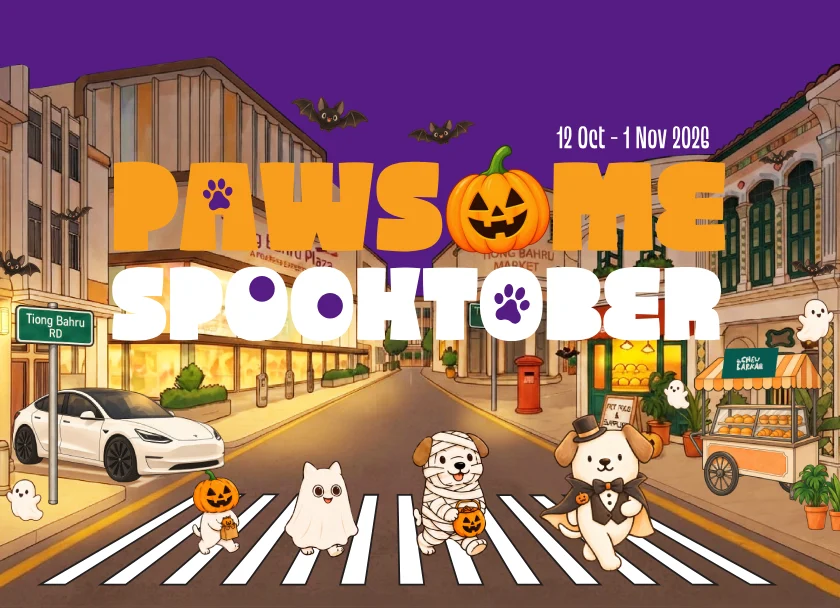
Who says your furry friends should miss out on Halloween? Pawsome Spooktober at Tiong Bahru Plaza is bringing a pet-friendly celebration for animal lovers and their four-legged companions.
Credits: Tiong Bahru Plaza
The event features festive activities, informative talks, booths, and workshops, giving pet owners plenty of ways to enjoy the season together. It’s also a lovely opportunity to spend time with your pets while enjoying the Halloween atmosphere. For more information, check here!
So, if you’re traveling with your furry companion or simply love animals, this is one celebration worth checking out.
Halloween Treats For Food Lovers
5) A SubLIME Halloween At PARKROYAL COLLECTION Pickering
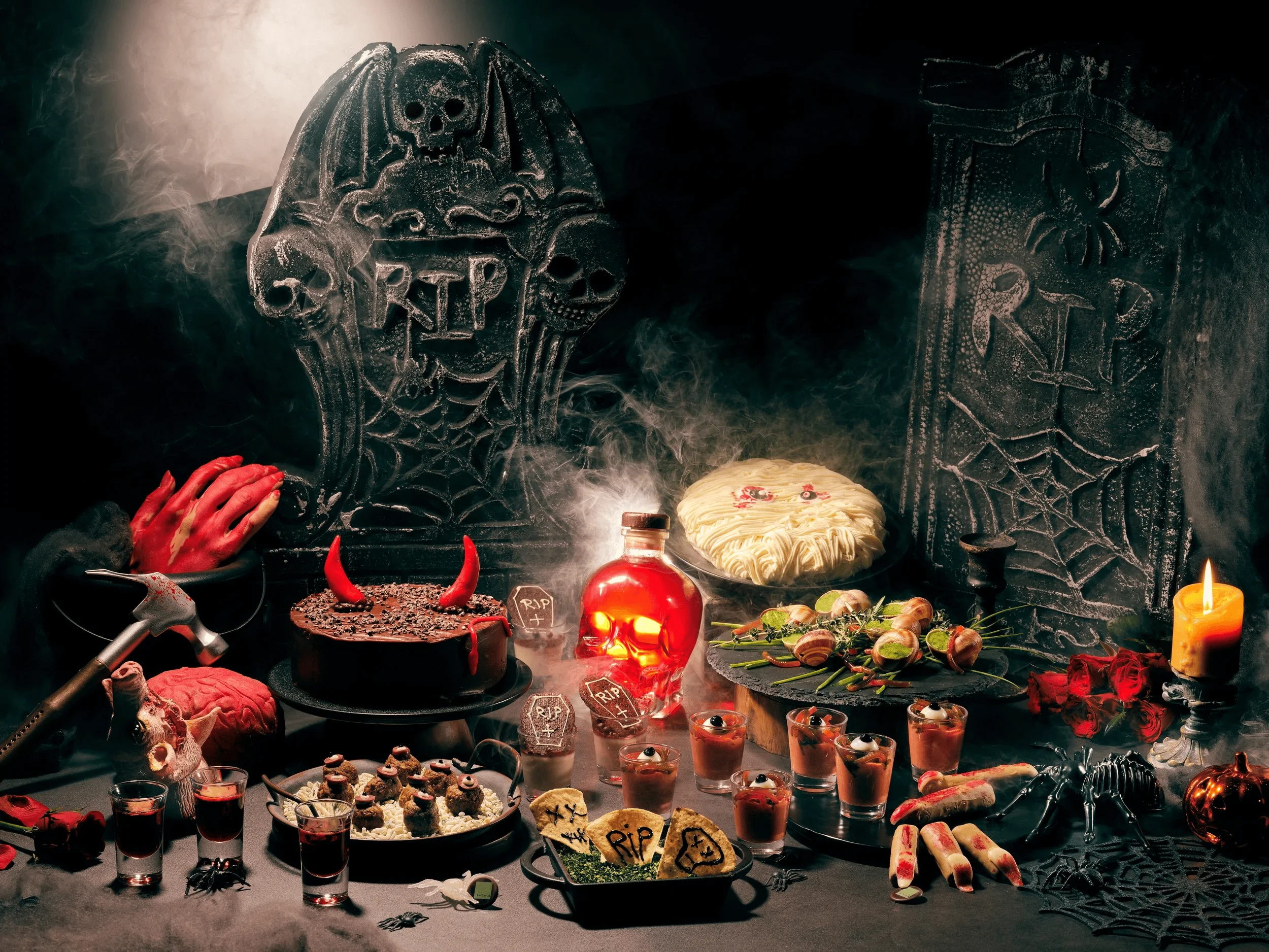
If your idea of a good Halloween celebration involves delicious food rather than scary surprises, this one’s for you! Lime Restaurant at PARKROYAL COLLECTION Pickering is introducing A SubLIME Halloween, a themed dinner buffet with plenty of festive touches.
Credits: Pan Pacific
Guests can enjoy a wide selection of seafood favourites, freshly grilled dishes, international specialities and Halloween-inspired desserts. The restaurant will also be decorated for the occasion, adding a spooky atmosphere to your dining experience. Book your meal, here!
It’s a great option for couples, families or groups of friends who want to enjoy a relaxing Halloween dinner.
6) Royal Albatross Halloween Sail: The Curse Of The Ropes
Date: 30th October-1st November 2026
Location:8 Sentosa Gateway, Singapore 098269
Fancy celebrating Halloween on a ship? The Royal Albatross Halloween Sail: The Curse Of The Ropes is offering a spooky experience out at sea!
Guests can choose from three different sailing experiences across the Halloween weekend.
On 30th October, there’s the Howl-oween Dog Cruise, a dog-friendly sailing experience where your furry companions can join the fun.
On 31st October, guests can enjoy Halloween Night sunset and city lights cruises, taking in Singapore’s skyline while celebrating the occasion.
Credits: Tall Ship
The experience concludes on 1st November with The Last Sail, a final Halloween-themed cruise. Each sailing includes a four-course dinner and free-flow soft drinks.Book your slots, here!
But there’s also something a little more mysterious waiting below deck. Brave guests can explore the Haunted Cabin, adding a spooky twist to an otherwise relaxing evening at sea.
7) Festival Of Fright: The Harvest Of Horrors Big Dinner Buffet
If you’re planning a Halloween dinner with friends, why not make it a little more exciting?
Fraser House is bringing back its Festival of Fright: The Harvest of Horrors Big Dinner Buffet, a one-night-only dining experience filled with food, costumes, and Halloween entertainment.
Credits: Seven Rooms
Guests can look forward to more than 120 Italian, Asian and international dishes, along with live cooking stations and seasonal desserts. But the experience doesn’t stop at the food! Book your meal, here!
Expect spooky decorations, costumed hosts and a Best Dressed Contest, giving everyone a reason to show up in their favorite Halloween outfits. So, gather your friends, plan your costumes and enjoy a Halloween feast with a little extra drama.
When The Sun Goes Down, The Halloween Fun Begins!
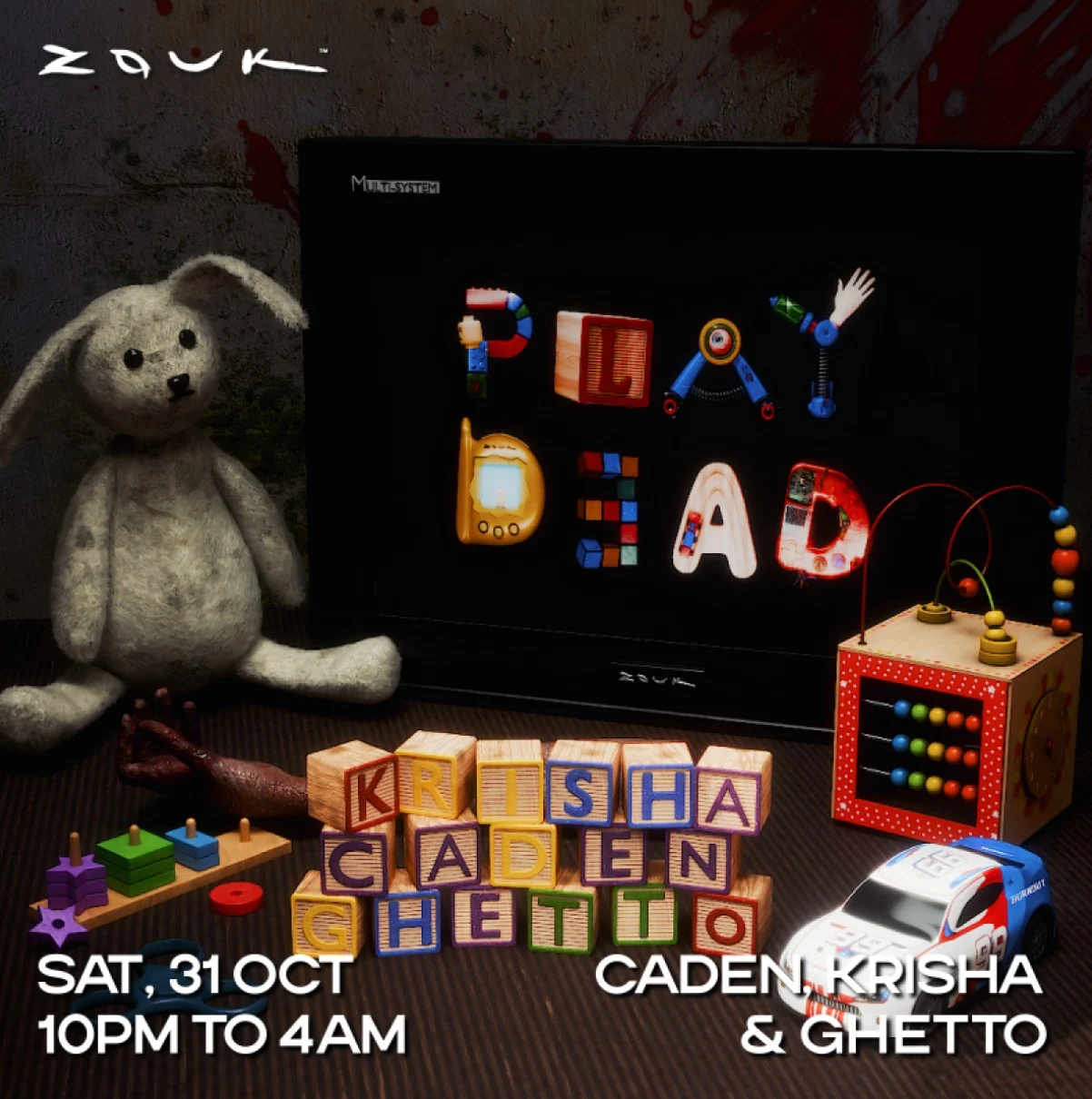
8) Zouk’s PLAY DEAD
Date: 30th-31st October 2026
Location: Zouk Singapore, 3C River Valley Road 01-05 to #02-06, Singapore 179022
Looking for a Halloween party where you can dance the night away?
Zouk Singapore is bringing back it’s Halloween celebration with PLAY DEAD, a two-night event inspired by childhood memories, but with a darker twist. This year’s theme transforms four different spaces into mysterious worlds where familiar toys and characters take on a frightening new appearance. Book your table here!
Credits: Seven Rooms
Think childhood nostalgia mixed with spooky decorations, themed experiences and a lively nightclub atmosphere. Guests are encouraged to dress up for the occasion, making it the perfect excuse to get creative with your Halloween costume.
9) The Magic Bar Show-Halloween Magic Special
Date: 30th-31st October 2026
Time: 8PM and 10PM
Location: The Magic Bar, 2 Havelock Road #01-11 Havelock 2, at, Level 1 Floor 1 Outside of Building, Singapore 059763
If haunted houses aren’t your thing, how about a night of magic and mystery instead?
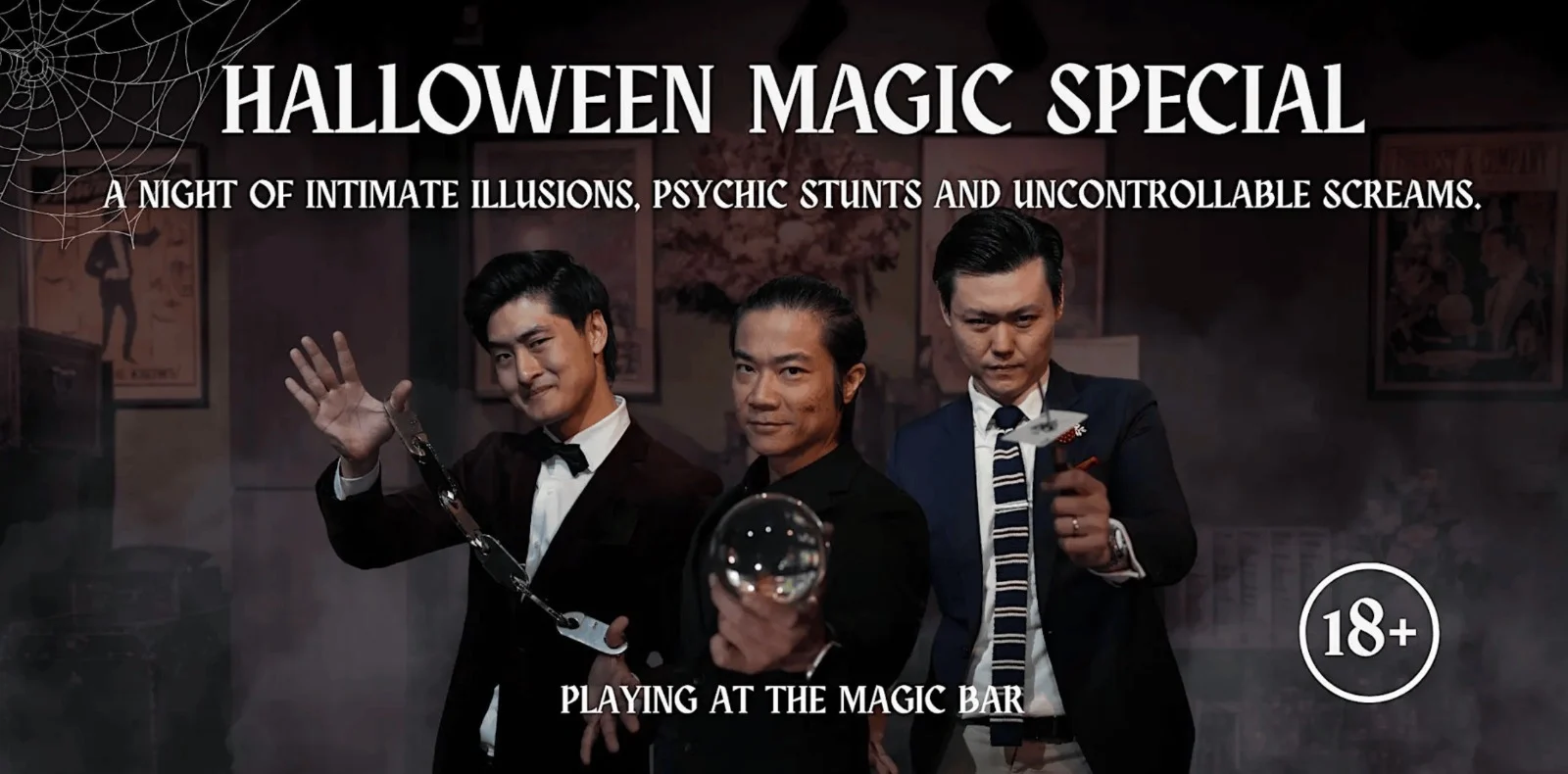
The Magic Bar is hosting its Halloween Magic Special, bringing together professional magicians for two evenings of up-close entertainment.
Credits: Eventbrite
Guests can expect impressive sleight-of-hand tricks, psychic demonstrations and daring stunts performed in an intimate bar setting. Unlike a large stage performance, the smaller setting allows guests to experience the tricks from a closer distance, making every surprise feel even more exciting. Book your slots here!
With shows scheduled at 8PM and 10PM, its a different way to spend Halloween night. Do take note that this experience is only open to guests aged 18 and above.
10) Hotel Delirium At MARQUEE Singapore
Date: 31st October 2026
Time: From 10PM until the early hours
Locations:Marquee Singapore, The Shoppes at Marina Bay Sands, 2 Bayfront Avenue, B1-67 Singapore, 018956
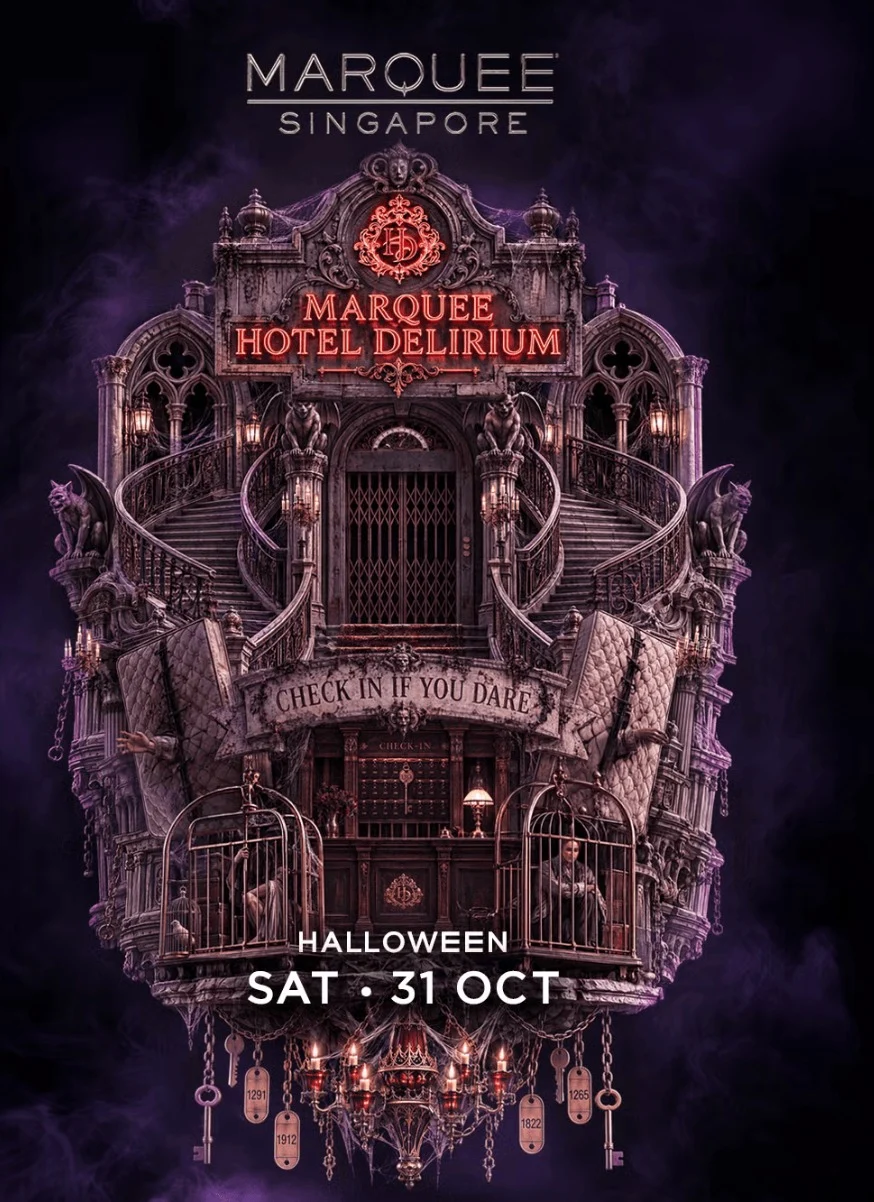
Ever wondered what it would be like to check into a haunted hotel? Well, MARQUEE Singapore is bringing that idea to life with Hotel Delirium, a one-night-only Halloween Party.For the occasion, the nightclub will transform into a mysterious hotel filled with unusual details, spooky installations and photo-worthy Halloween settings. Reserve your table here!
Credits: MARQUEE Singapore
Guests can explore the themed surroundings, dress up in their best costumes and enjoy a night of music and dancing. The party begins at 10PM and continues into the early hours, making it an option for those who want to celebrate Halloween long after the sun goes down.
Ready For A Spooky Getaway To Singapore?
Whether you’re looking for a thrilling haunted house, a relaxing Halloween dinner, a pet-friendly outing or an unforgettable night out with friends, Singapore has plenty of ways to celebrate this spooky season.
And with many of these experiences running until 1st November 2026, there’s still time to plan a quick Halloween getaway. So, gather your friends, pick your favourite experiences and get ready to explore a different side of Singapore this October!
Imagine waking up to views of the PETRONAS Twin Towers, enjoying your morning coffee in a spacious apartment and having some of Kuala Lumpur’s best shopping, dining and entertainment spots just a short walk away. Sounds like a dream, right?
Well, Mandarin Oriental, Kuala Lumpur is bringing that experience to life with its newly renovated collection of 51 luxury Serviced Apartments, offering guests a comfortable place to call home right in the heart of KLCC.
Whether you’re traveling for business, relocating to the city or planning a longer family holiday, these apartments combine the comfort of residential living with the hotel’s well-known hospitality.
A Stylish Space That Feels Like Home
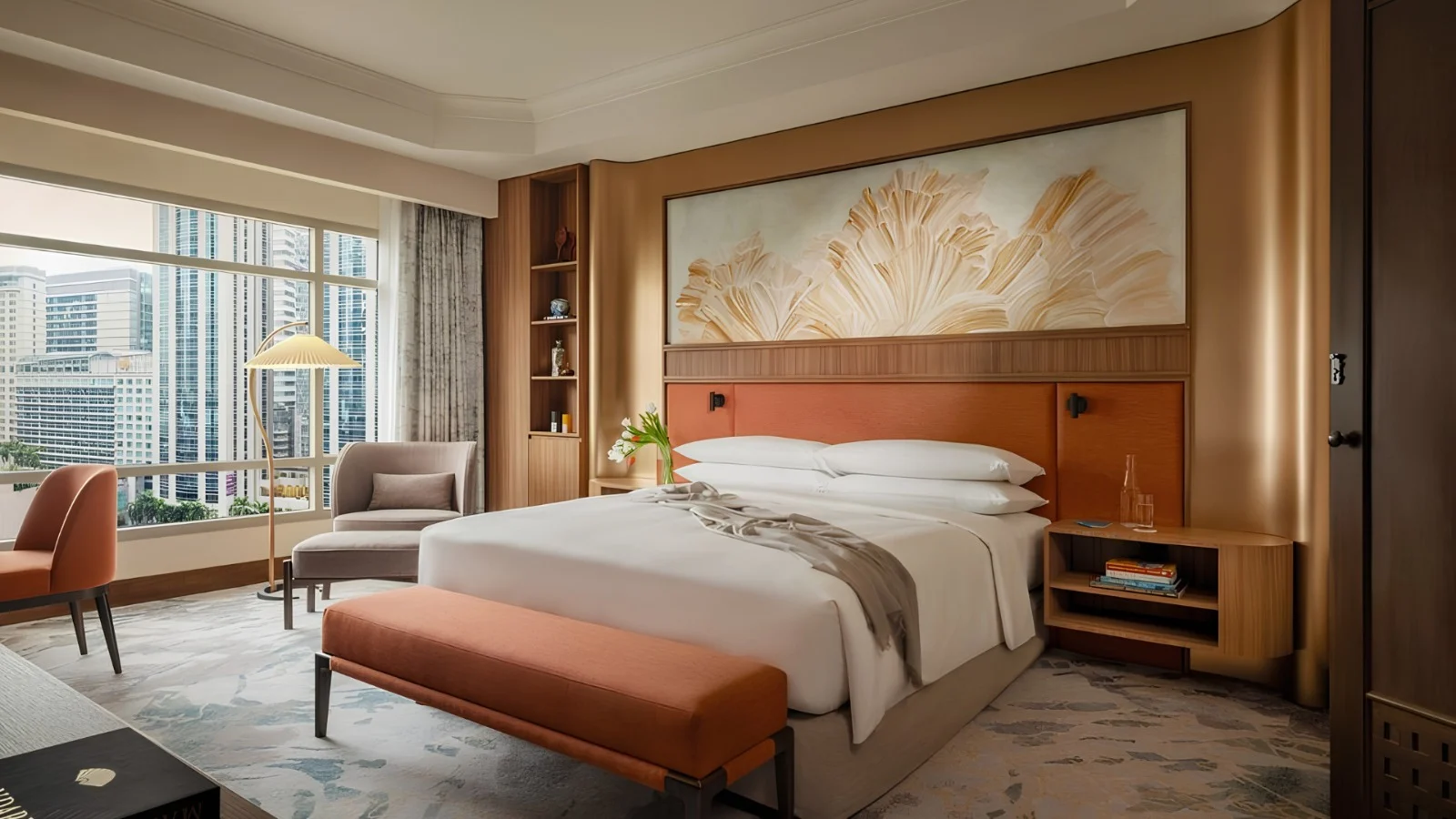
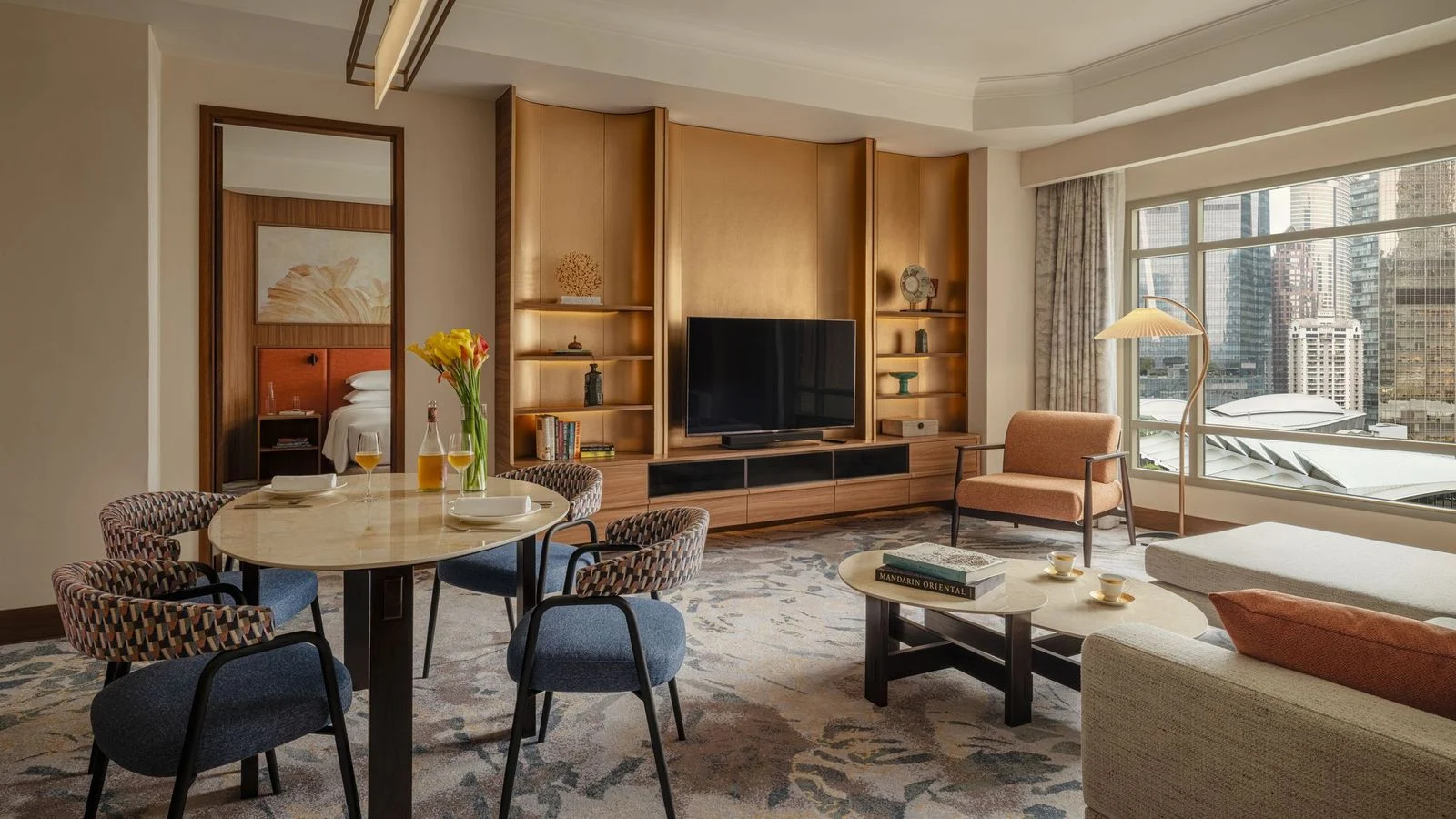
Located across the fourth to eight floors of Mandarin Oriental, Kuala Lumpur, the collection features one-,two-, and three-bedroom apartments, ranging from approximately 75 to 190 square metres.
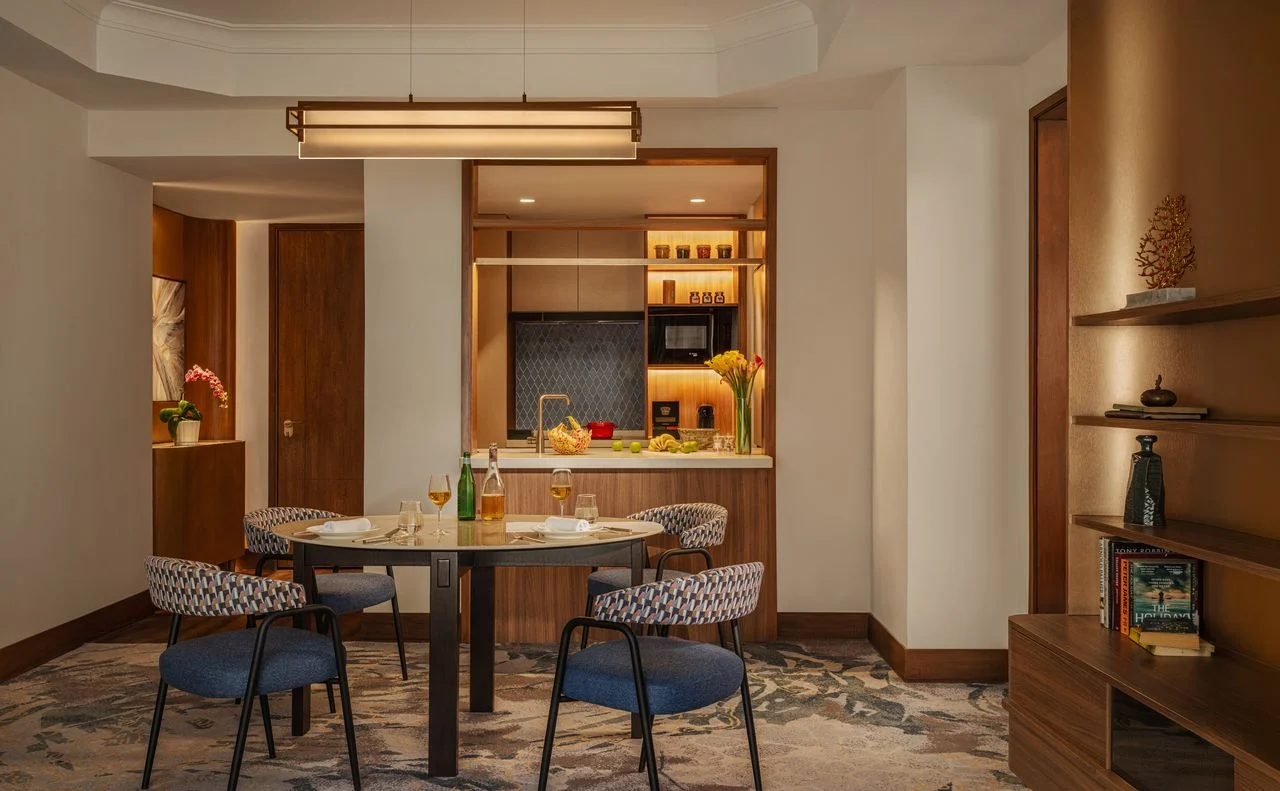
Each apartment has been designed with spacious living and dining areas, giving guests enough room to relax, work or spend time with family.
One of the highlights is the fully equipped open-plan kitchen, complete with a bar counter and premium Bosch appliances, including a combined washer-dryer.
For entertainment, the living area features a 55-inch LG IPTV and Bose smart soundbar, making cosy movie nights even better.
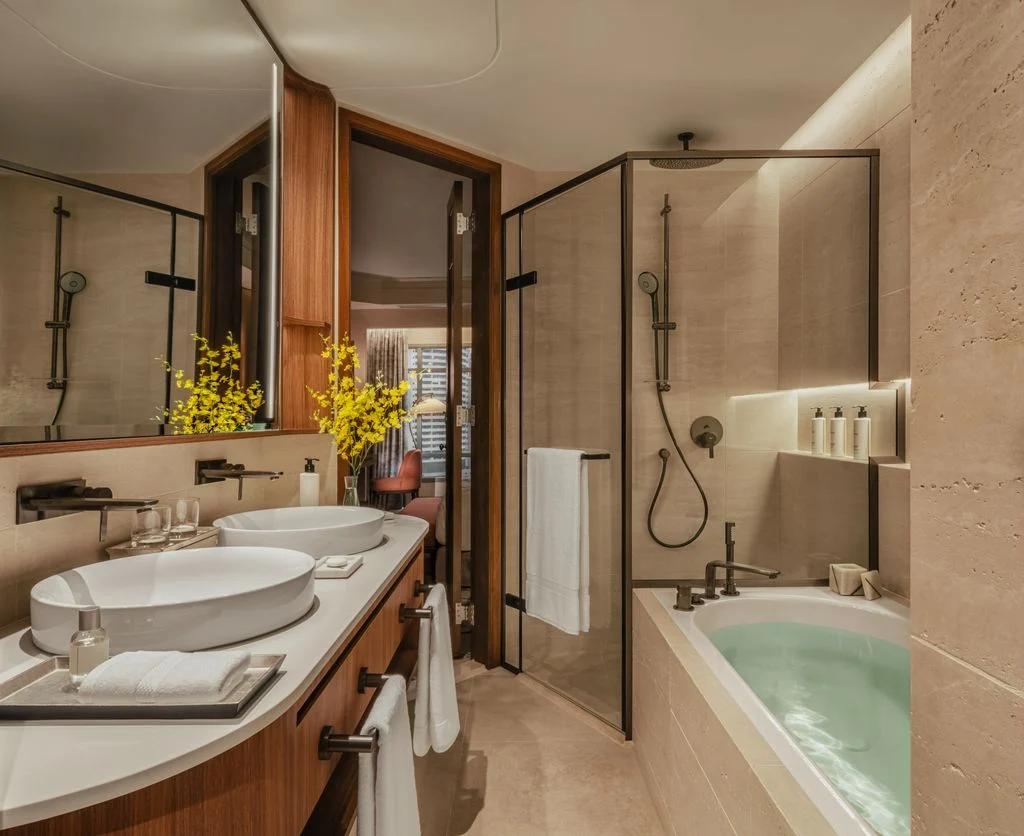
The bedrooms come with ensuite bathrooms and walk-in wardrobes, while the bathrooms feature Grohe and American Standard fittings, Kaldewei bathtubs and Feruni Traventino stoneware.
There are also modern touches throughout the apartments, including PowerMat wireless charging beside the beds and Somfy Glydea Ultra motorized curtains, allowing guests to adjust the lighting and privacy with ease.
Depending on the apartment, guests can enjoy views of KLCC Park, Kuala Lumpur’s skyline, or the iconic PETRONAS Twin Towers.
According to Anthony Tyler, General Manager and Area Vice President, Operations, the apartments were designed to offer a balance between comfort and luxury.
“From materiality to layout, the design reflects a balance between sophistication and comfort, ensuring that guests truly feel at home,” he shared.
Living Right In The Heart of KLCC
One of the biggest advantages of staying at Mandarin Oriental is its location.
Situated beside the PETRONAS Twin Towers, the hotel places guests within easy reach of Kuala Lumpur’s business and lifestyle destinations.
Shopping lovers can explore Suria KLCC, which is directly connected to the hotel, while the lively Bukit Bintang area is also within walking distance.
For those who enjoy spending time outdoors, KLCC Park is just steps away, offering a peaceful green space for morning walks, exercise or family time.
The location is especially convenient for business travellers, embassy guests and families who want to stay close to everything the city has to offer.
From Pool Days To Relaxing Spa Sessions
Of course, living at Mandarin Oriental isn’t only about having a beautiful apartment. Guests can also enjoy the hotel’s fitness and wellness facilities.
The property features an entire level dedicated to recreation, including an outdoor 27-metre infinity pool, tennis and pickleball courts, a garden terrace and a 24-hour Fitness Centre equipped with cardio and strength-training facilities.
For those who prefer something more relaxing, the award-winning The Spa at Mandarin Oriental, Kuala Lumpur offers a range of treatments.
Guests can choose from signature massages, body therapies, advanced facial and personalised wellness experiences designed to help them unwind.
Whether you’re starting the morning with a workout or ending a long day with a spa treatment, there’s something for every routine.
Plenty Of Dining Options Without Leaving The Hotel
Food lovers will also have plenty to look forward to, with several dining venues available within the hotel.
For authentic Cantonese cuisine, there’s Lai Po Heen, while Mandarin Grill serves premium cuts and contemporary grilled dishes.
Guests looking for a relaxing afternoon can enjoy tea at Lounge On The Park, while Mosaic offers a buffet featuring local and international dishes.
For a more casual dining experience, AQUA Restaurant & Bar serves Mediterranean-inspired food in an alfresco setting.
Meanwhile, MO Bar offers handcrafted cocktails alongside panoramic city views.
And if you’re not in the mood to leave your apartment, 24-hour In-Room Dining allows you to enjoy meals in the comfort of your own space.
More Than Just A Place To Stay
For business travelers, Mandarin Oriental also offers meeting and event facilities, including its spacious column-free Grand Ballroom and reception foyer, suitable for corporate gatherings and larger events.
Residents can also enjoy selected lifestyle privileges within the KLCC area. These include access to selected events at Suria KLCC, exclusive offers at Petrosains-The Discovery Centre and the Malaysian Philharmonic Orchestra Hall.
Through KLCC Pulse, residents can also explore wellness, community and seasonal activities taking place around the precinct.
These added benefits make the apartments suitable for guests who want to experience more of Kuala Lumpur beyond their accommodation.
How To Book Mandarin Oriental KL’s Serviced Apartments
The newly renovated collection offers 51 serviced apartments with different layouts depending on your needs.
Here’s a quick look at the available options:
One-bedroom apartments: From 75 square metres
Two-bedroom apartments: From 123 square metres
Three-bedroom apartments: From 152 square metres
The apartments are available for short and extended stays, making them suitable for holidays, work assignments and longer relocations.
Rates are available through the hotel’s website, while extended-stay prices can be requested based on the apartment type and length of stay.
For enquiries about rates, availability or private viewings, guests can contact Ms Maznah at MaznahM@mohg.com.
With its spacious apartments, convenient location and access to luxury hotel facilities, Mandarin Oriental, Kuala Lumpur’s newly renovated Serviced Apartments offer a different way to experience city living, whether you’re staying for a few nights or making Kuala Lumpur your temporary home.