
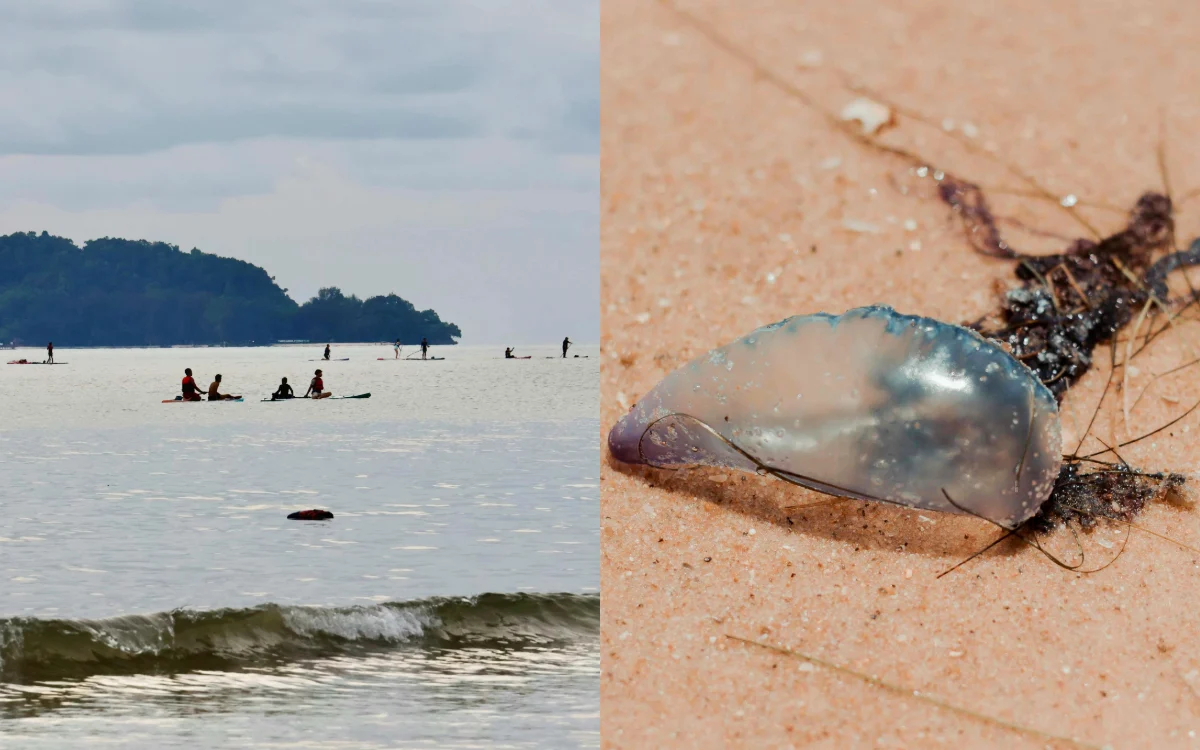
The Malaysian Civil Defence Force (APM) in Besut has recorded 31 cases of venomous jellyfish stings at Bukit Keluang Beach since May, with victims ranging in age from three to 44 years old.
Besut District Civil Defence Officer Captain (PA) Mohd Fazlien Jaafar said all of the victims were stung while swimming at the popular resort beach. However, he noted that the actual number of cases could be higher, as some victims may not have reported their incidents to the authorities.
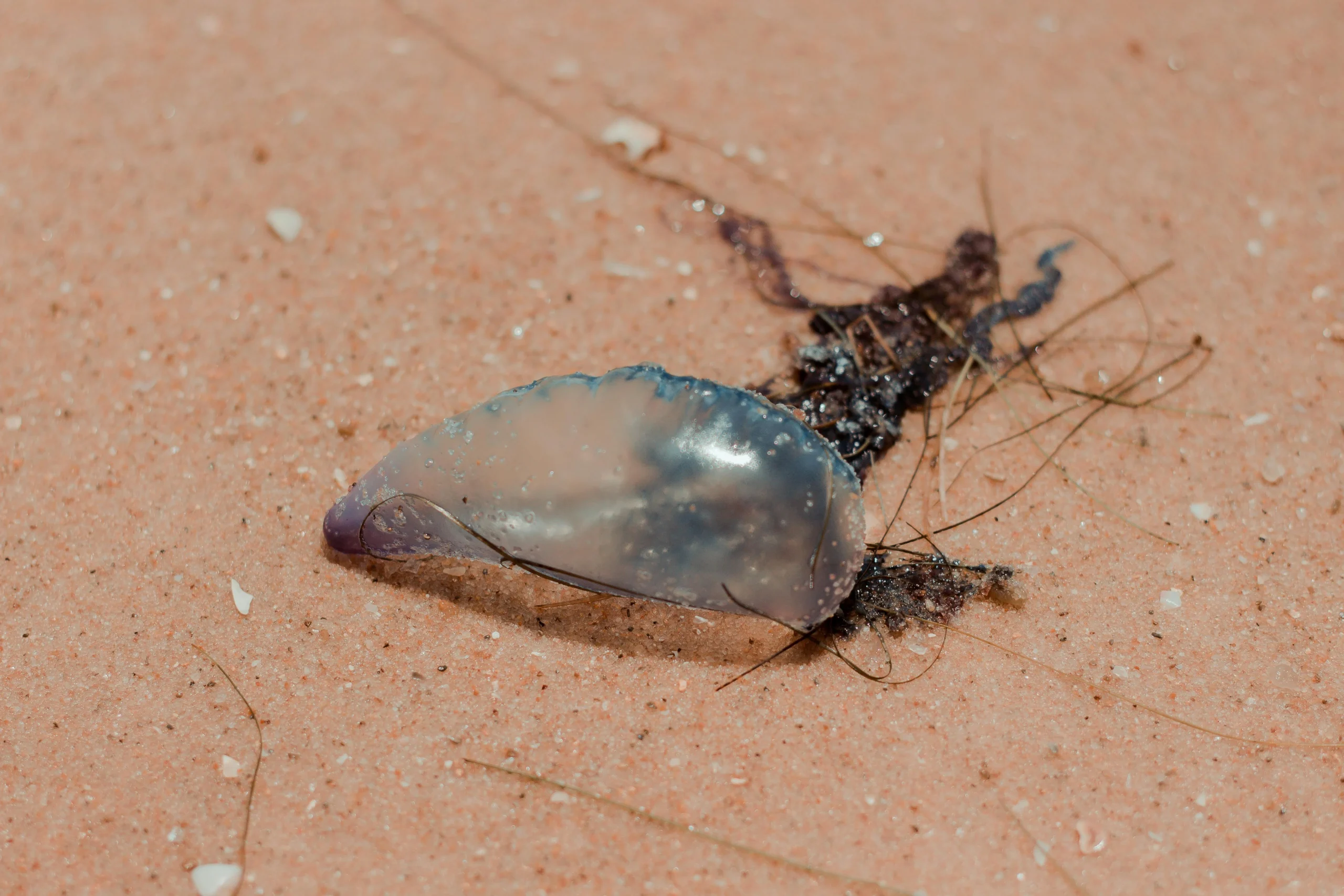
“The number of cases is based on victims who came to the APM Observation Tower at Bukit Keluang Beach to seek immediate treatment after being stung by the marine creature,” he said.
Don’t Pee On It: What To Do If You’re Stung By A Jellyfish
With reports of venomous jellyfish sightings and stings occurring at beaches around Malaysia, it’s worth knowing what to do if you or someone around you is stung.
Do:
- Get out of the water calmly and move to a safe area.
- Avoid rubbing or scratching the affected skin, as this can cause any remaining stinging cells to release more venom.
- If tentacles are still attached, they should be carefully removed using tweezers or a similar object, rather than bare hands.
- Rinse the affected area with seawater if available as fresh water may activate unfired stinging cells immediately after the sting.
- Apply heat, such as immersing the affected area in hot water, this can help reduce pain from certain jellyfish stings.
DO NOT:
- Urinate on the affected area as urine can trigger remaining stinging cells to release more venom.
Anyone experiencing severe pain, difficulty breathing, chest pain, dizziness, swelling of the face or throat, or signs of an allergic reaction should seek emergency medical attention immediately. Young children, older adults, and individuals with underlying health conditions should also be monitored closely following a sting.
While most jellyfish stings are painful rather than life-threatening, knowing the correct first aid steps—and avoiding common myths—can make a significant difference in ensuring a safer day at the beach.
Source: BERNAMA, Mayo Clinic & Cleveland Clinic
Do stay tuned to Hype for more updates!
The post 31 Venomous Jellyfish Sting Cases At T’ganu Beach, Here’s What To Do If You’re Stung appeared first on Hype Malaysia.


0 comments:
Post a Comment