
For many Malaysian teenagers today, life without social media may seem almost unimaginable. Platforms like TikTok, Instagram, YouTube, and Snapchat have become central to how young people communicate, learn, entertain themselves, and stay connected with friends.
Yet following Malaysia’s new restrictions on social media access for those under 16, a question has emerged: what was childhood like before social media existed?

For older Malaysians, the answer often began outside the home
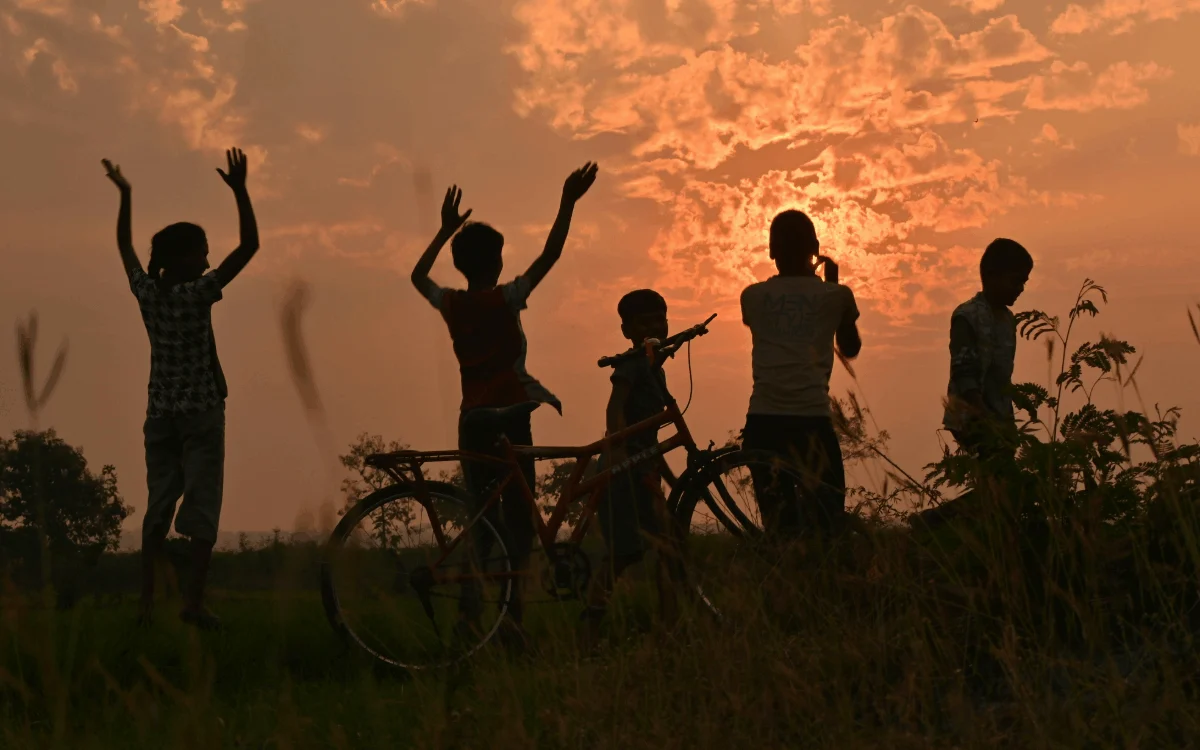
Long before notifications, likes, and endless scrolling, childhood was largely spent outdoors. Neighbourhoods would come alive in the evenings as children gathered to play football, badminton, police-and-thief, hide-and-seek, or simply cycle around with friends until sunset.
Parents rarely needed to track their children’s whereabouts through smartphones. Instead, the universal signal that it was time to return home was often the sound of a parent calling from the front gate.

Running for snacks during ad breaks
Entertainment looked different too. Instead of short-form videos and algorithm-driven feeds, children relied on television programmes, comic books, magazines, video game consoles, and trips to the local cyber café.
Waiting was a normal part of life. Favourite shows aired at specific times, and missing an episode often meant waiting for a rerun. Patience was not a virtue — it was a necessity.
Friendships before feeds
Social interactions were also more intentional. Friendships were built through face-to-face conversations at school, community gatherings, sports activities, and family events.
Keeping in touch with friends often required a phone call on a landline or arranging plans in advance. There was no group chat to coordinate every detail in real time, and photographs were treasured keepsakes rather than content destined for public consumption.
It wasn’t all sunshine and rainbows

Of course, nostalgia should not blind us to reality. A pre-social media childhood was not perfect. Information was less accessible, opportunities for self-expression were more limited, and young people had fewer platforms to showcase their talents or connect with communities that shared their interests.
Today’s digital tools have opened doors that previous generations could only dream of.
Yet many argue that growing up without social media offered something increasingly rare in the modern age: the freedom to make mistakes away from a public audience. Embarrassing moments were not recorded, shared, or preserved online indefinitely.
Childhoods unfolded in the moment rather than through a camera lenses.
As Malaysia adjusts to its new social media rules, it remains to be seen how young people will respond.
While few expect teenagers to abandon technology entirely, the restrictions may encourage a renewed appreciation for activities that once defined childhood—from sports and hobbies to simple face-to-face interactions with friends.
The reality is that no generation has experienced the perfect childhood. Older Malaysians grew up without the convenience and connectivity of today’s digital world, while younger generations navigate opportunities and pressures that did not exist before. Perhaps the challenge is not deciding which era was better, but finding a balance between the best of both worlds.
After all, while technology may have changed the way children grow up, the desire to learn, explore, connect, and have fun remains as timeless as ever.
Do stay tuned to Hype for more updates.
The post A Childhood Without Social Media: What Older Malaysians Remember appeared first on Hype Malaysia.


0 comments:
Post a Comment