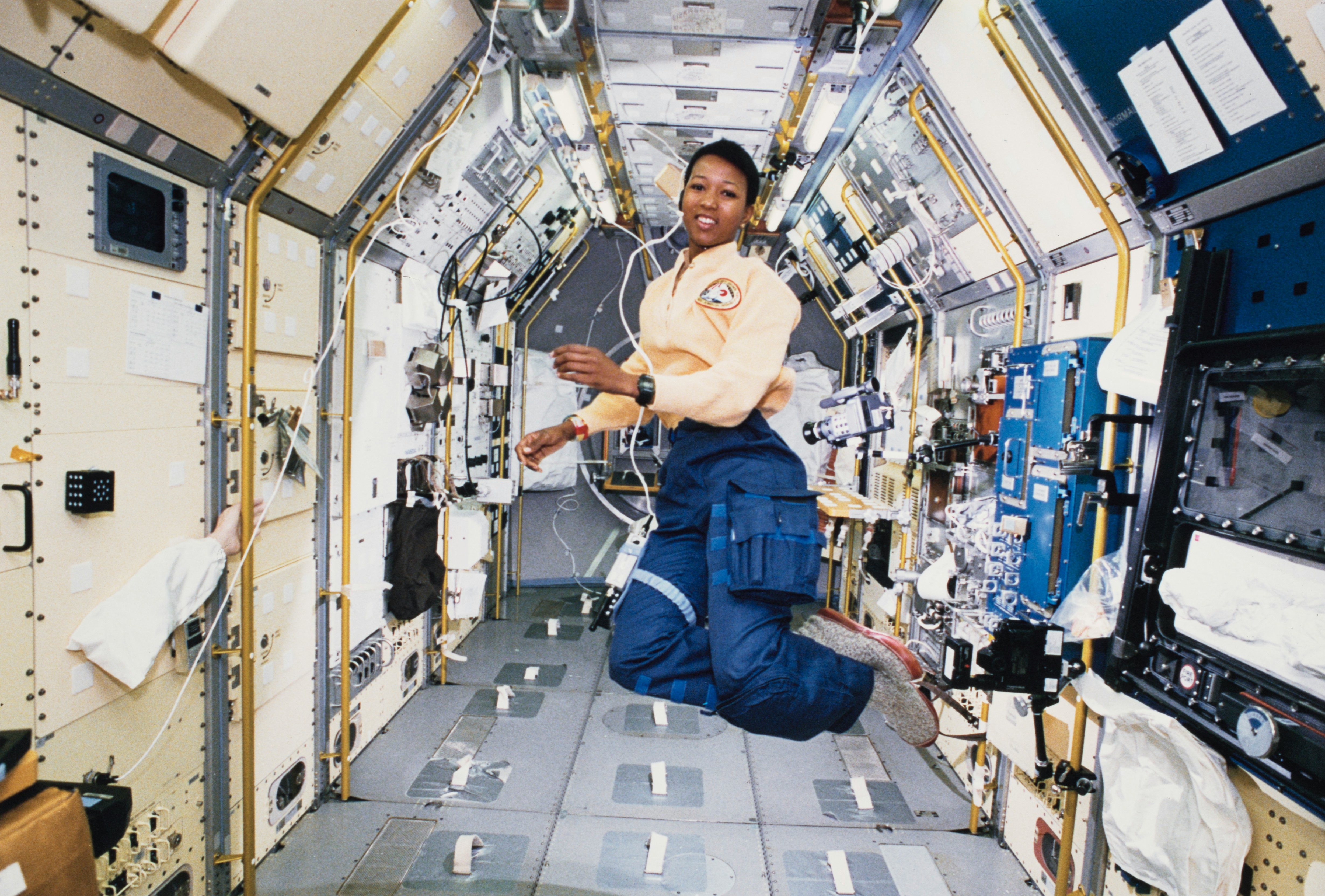
Celebrate Women's History Month by sharing these fascinating facts with your kids.
If you are not redirected automatically, click here.
Thanks for visiting! Your offer will open shortly.


This is slide 1 description. Go to Edit HTML and replace these sentences with your own words. This is a Blogger template by Lasantha - PremiumBloggerTemplates.com...

This is slide 2 description. Go to Edit HTML and replace these sentences with your own words. This is a Blogger template by Lasantha - PremiumBloggerTemplates.com...

This is slide 3 description. Go to Edit HTML and replace these sentences with your own words. This is a Blogger template by Lasantha - PremiumBloggerTemplates.com...
Celebrate Women's History Month by sharing these fascinating facts with your kids.

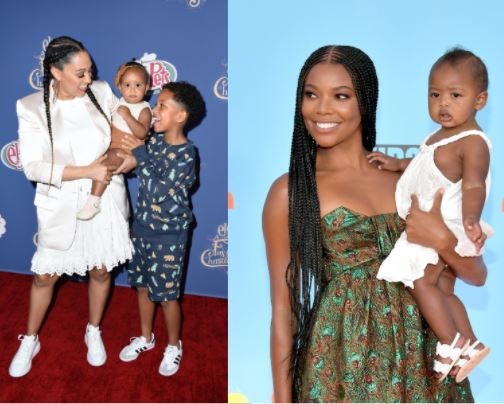
It's official, a new best-friendship has blossomed. Over the weekend, Tia Mowry and Gabrielle Union's daughters met up for a playdate, and by the looks of it, they had an "epic" time. They giggled, they hugged, they even drove around in a mini Mercedes-Benz... this dynamic duo obviously had a blast together and thankfully their moms shared some snippets of it on Instagram.
Union and Mowry both took to Instagram to share videos of their little meet-up over the weekend. In one clip Mowry shared, you can see the 2-year-olds hugging and then going off together towards the playground.
"Let the #fun begin! @kaaviajames and #cairo had an epic #playdate for the books! Thanks @gabunion for making #cairos day!" the Family Reunion actress captioned her post on Instagram, which also perfectly featured Saweetie's hit song "Best Friend" playing in the background.
On Union's Instagram, the Breaking In actress shared another adorable part of the playdate: the girls took a little spin. In Union's video, you can see the girls cruising around in a mini Mercedes-Benz. Kaavia is driving and Cairo is in the passenger seat, with Cairo saying "Beep" as Kaavia put the mini Benz into gear.
"The playdate we've all been waiting for. When @kaaviajames met Cairo!!! Bringing the girls together was magic and pure sweetness and comedy," Union wrote on Instagram.
Both moms scooped their daughters' similar personalities and a meet-up was bound to happen. Back in January, Mowry posted a photo of herself and Cairo showing the Anser co-founder smiling from ear to ear while Cairo looked at the camera with a straight face. Union saw the photo and commented, "Cairo and Kaavia, one day that playdate will be epic!!"
Fast-forward eight weeks later and the two finally met. Let's hope this is the start of an epic bestie relationship between the two tots!
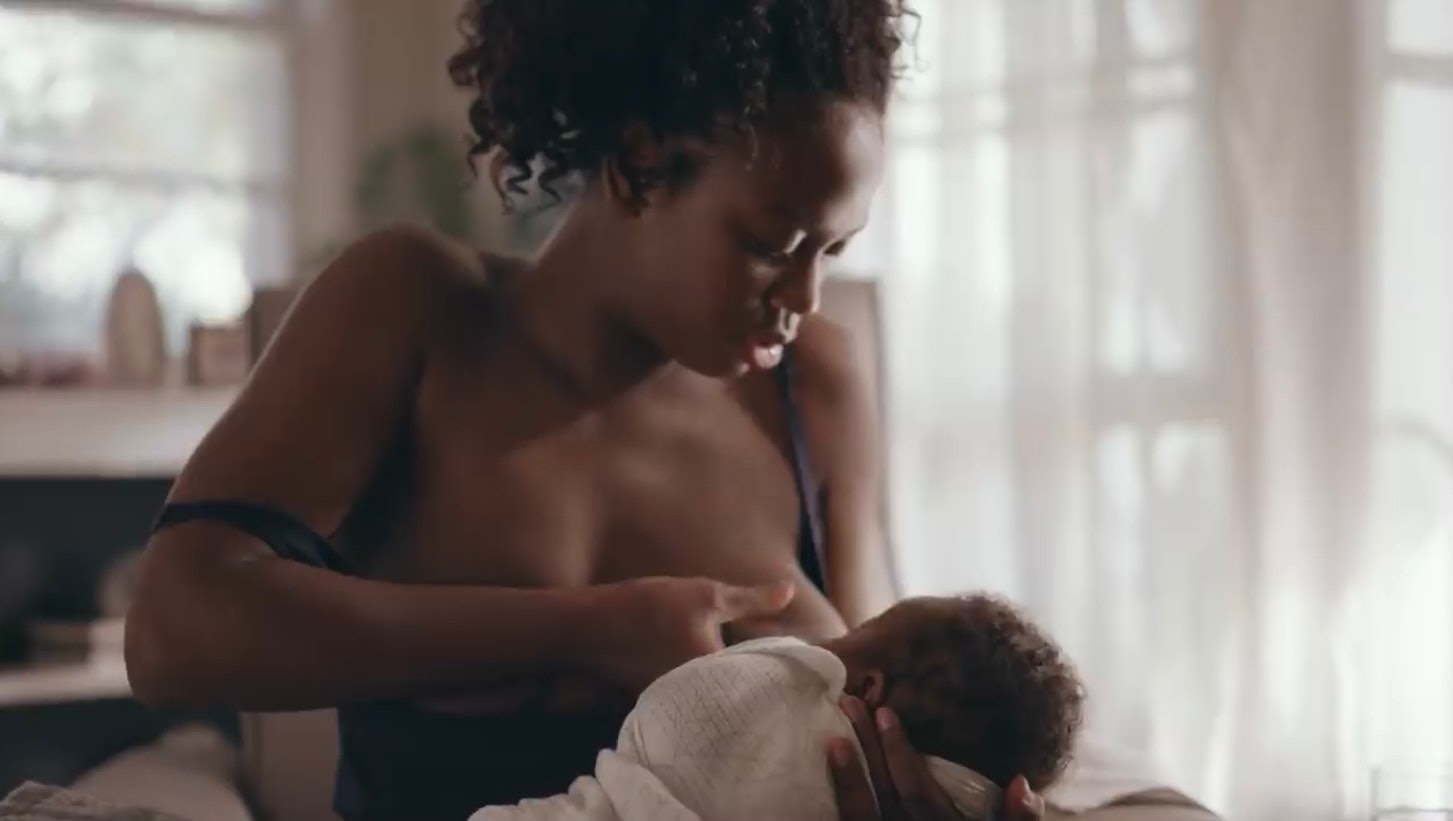
The day after a Hollywood awards ceremony is always good Monday morning water-cooler talk. This year, in addition to discussing the various winners and snubs, many are talking about the Golden Globes breastfeeding ad. Produced by Frida Mom, which makes postpartum care products for new moms, the ad depicted two women's realistic representation of what nursing mothers go through to feed their children.
The ad did not air in its entirety; according to the New York Times, Frida worked with NBC-Universal to trim down the 75-second spot to 30-seconds, editing and blurring anything that did not comply with Federal Communications Commission (FCC) guidelines on nudity while maintaining the spirit of the original ad.
"The expectation that women prioritize milk-making above their own physical comfort is antithetical to the expectation that women continue for six months or more," Frida CEO Chelsea Hirschhorn said in a statement to INSIDER. "The reality is that women are blindsided by the physicality of breastfeeding — raw nipples, uterine contractions, painful clogs — no one tells you that it can be as painful as your vaginal recovery. It's all part of the postpartum physical experience — but it never gets any air time because the end supposedly justifies the means."
The tagline that closes both versions of the ad — "Care for your breasts. Not just your baby." — highlights realities that are often overlooked in discussions of nursing. While many focus on the "feeding" aspect and the benefits for baby, there are also breasts, attached to a human person, and there are a cadre of common, painful, even potentially dangerous issues that can arise.
This is not the company's first foray into graphic depictions of motherhood. In 2020, an ad from Frida, which depicted a postpartum mother in mesh hospital underwear struggling with her bathroom routine, was rejected by ABC and the Academy Awards for airing during the Oscar Awards Ceremony.
As someone who nursed two babies over the course of about four years, I can tell you that Frida nailed it. I haven't breastfed a baby in about four years, but the sheer accuracy instantly brought me back to every 3 a.m. feeding, soaked shirt, clogged duct, disappointing pumping session, and aching nipple I ever went through (and there were plenty). And I'm not alone in that visceral recognition. On social media, the ad is being praised for its realism and, moreover, for destigmatizing discussion of breastfeeding and de-sexualized breasts in public.
"Guys there was a breastfeeding ad about taking care of your boobs on the Golden Globes and it made me so happy!!!" Twitter user @EveG44962059 gushed in all caps.
"Just saw the breast care ad on TV for breastfeeding moms. Yes!!! It's. About. Time," tweeted @MarpleSheri.
"This was a great ad," tweeted @jesshardie, sharing a New York Times article on the subject. "It's ridiculous that women's bodies can be shown in ways that are objectifying and demeaning on tv but realistic portrayals of breastfeeding must be carefully edited to avoid any hint of a nipple."
"Looking at this ad on the realities of #breastfeeding is so important," tweeted @ProfASGabriel. "Looking back, my struggles with breastfeeding and pumping were huge contributors to my PPA/PPD. We need more honest, authentic representation of #motherhood."
There were those, however, who were scandalized and found the ad distasteful. "The #immoral #Hollywood #sacrilegious trash at it again..." tweeted @TiaanJonker5, sharing an article from Breitbart. "Is there no privacy left? Anywhere?" @4RANDALL1 tweeted, also sharing the Breitbart article.
Still, the cheers seem to have the day. "[The ad] was sweet and wonderful," tweeted @bee_toes. "More of that!"
See the full, uncut version of the ad below.
Hopefully, this ad can open up conversations not just about breastfeeding, but about the importance of postpartum care.
Every year, the month of March is set aside to honor the brave and determined women who got us to where we are today and to remind us that there’s still a lot of fighting left to do. One way to get into the empowered spirit is with the help of some inspiring quotes for Women’s History Month. After all, who could fire you up more than fellow strong women?
Women’s History Month was first established in 1981, but at that time, it was actually just Women’s History Week. It wasn’t until 1987 that March was declared Women’s History Month. Now, we continue to observe the month and remember the amazing women who fought for equal rights, and celebrate the ones who are still fighting today.
All throughout history, we have relied on protestors and lobbyists to push women’s rights further, and while that’s still true today, we also have a louder voice which we use to empower each other. Today, there are strong women in the government and high-profile women who use their platforms to inspire us to believe in ourselves, keep fighting, and support each other in the process. Here are some of their amazing words.

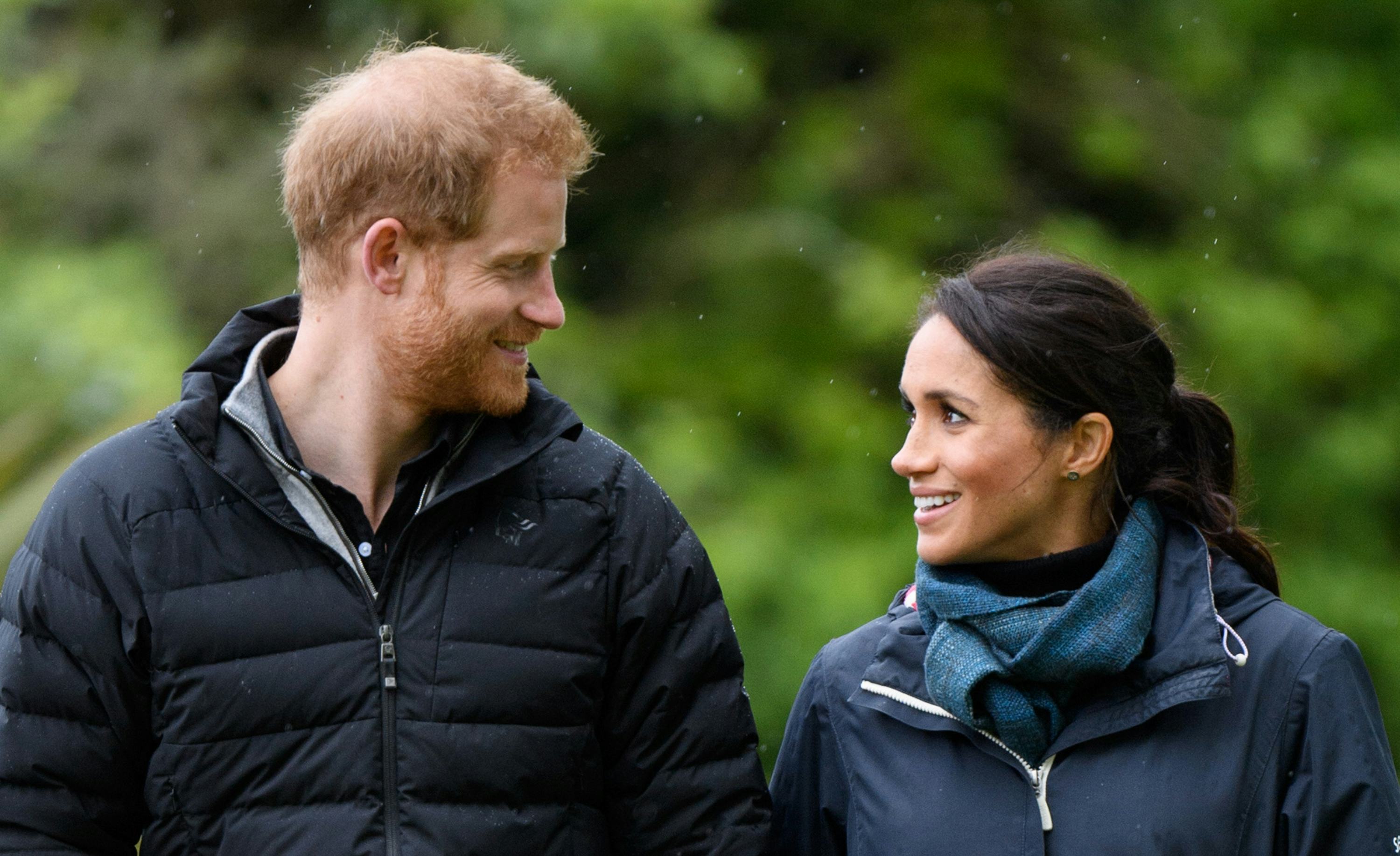
It's the moment we've all been waiting for: Meghan Markle and Prince Harry's first major TV interview in years is happening and none other than Oprah Winfrey will be sitting down with the Duke and Duchess of Sussex for the primetime special. And just one week before the interview is set to air, two dramatic sneak peeks from their chat were released.
News of the couple's upcoming interview was announced shortly after the world learned that Prince Harry and Markle are expecting their second child together. "We can confirm that Archie is going to be a big brother. The Duke and Duchess of Sussex are overjoyed to be expecting their second child," a spokesperson for the couple told the media on Valentine's Day.
The Duke and Duchess of Sussex, who stepped down from their senior royal roles last year, have not sat down for a full in-person televised interview since their engagement in November 2017. At the time, the couple chatted at length with the BBC, sharing details about Prince Harry's proposal, how the couple first met, and insight into their love story.
Now they're going to talk about the next chapter of their lives with their neighbor, legendary philanthropist, and media mogul Oprah Winfrey. So here is everything you need to know.
In one sneak peek released on Feb. 28, Winfrey can be seen interviewing the couple together and separately, asking them some tough questions. “Were you silent or were you silenced?” Oprah asks Markle.
In another preview, Prince Harry opens up about his mother’s death and his fears of history repeating itself. “For me, I’m just really relieved and happy to be sitting here, talking to you, with my wife by my side,” he tells Oprah while holding Markle’s hand. “Because I can’t begin to imagine what it must have been like for her, going through this process, by herself all those years ago, because it has been unbelievably tough for the two of us, but at least we have each other.”
CBS announced that the sit-down interview will air on Sunday, March 7 at 8 p.m. EST as a primetime special. The interview scheduled to be 90 minutes long — plenty of time to dig into the couple's new life in California after walking away from their senior royal duties.
Having attended their 2018 royal wedding in the United Kingdom and then becoming neighbors with Markle and Prince Harry in Montecito, California, Winfrey is perhaps the best person to interview the couple. Not only are they friends, but Winfrey and Prince Harry are also working together on a new mental health docuseries for AppleTV+, an issue both Winfrey and the Duke of Sussex have championed for years.
You can catch the interview on CBS at 8 p.m. EST on Sunday, March 7. But just in case you don't have cable television, there are other ways to watch. The special will be available to stream live on Hulu Live TV or YouTube Live TV, which cost $54.99 per month and $64.99 per month respectively. If you are not already subscribed to the streaming services, you can sign up for a free trial to watch the royal couple's interview.
Winfrey's best friend Gayle King told CBS This Morning that "nothing is off limits" in this candid interview. "I'm told nothing is off limits, nothing is off limits," King said. "She can ask anything she wants."
In a statement to Reuters, CBS said that Winfrey will initially speak to Markle one-on-one to discuss a variety of topics and then Prince Harry will join the conversation. "Winfrey will speak with Meghan, The Duchess of Sussex, in a wide-ranging interview, covering everything from stepping into life as a Royal, marriage, motherhood, philanthropic work to how she is handling life under intense public pressure," the network said. "Later, the two are joined by Prince Harry as they speak about their move to the United States and their future hopes and dreams for their expanding family."
Let's just say March 7 can't get here quick enough.
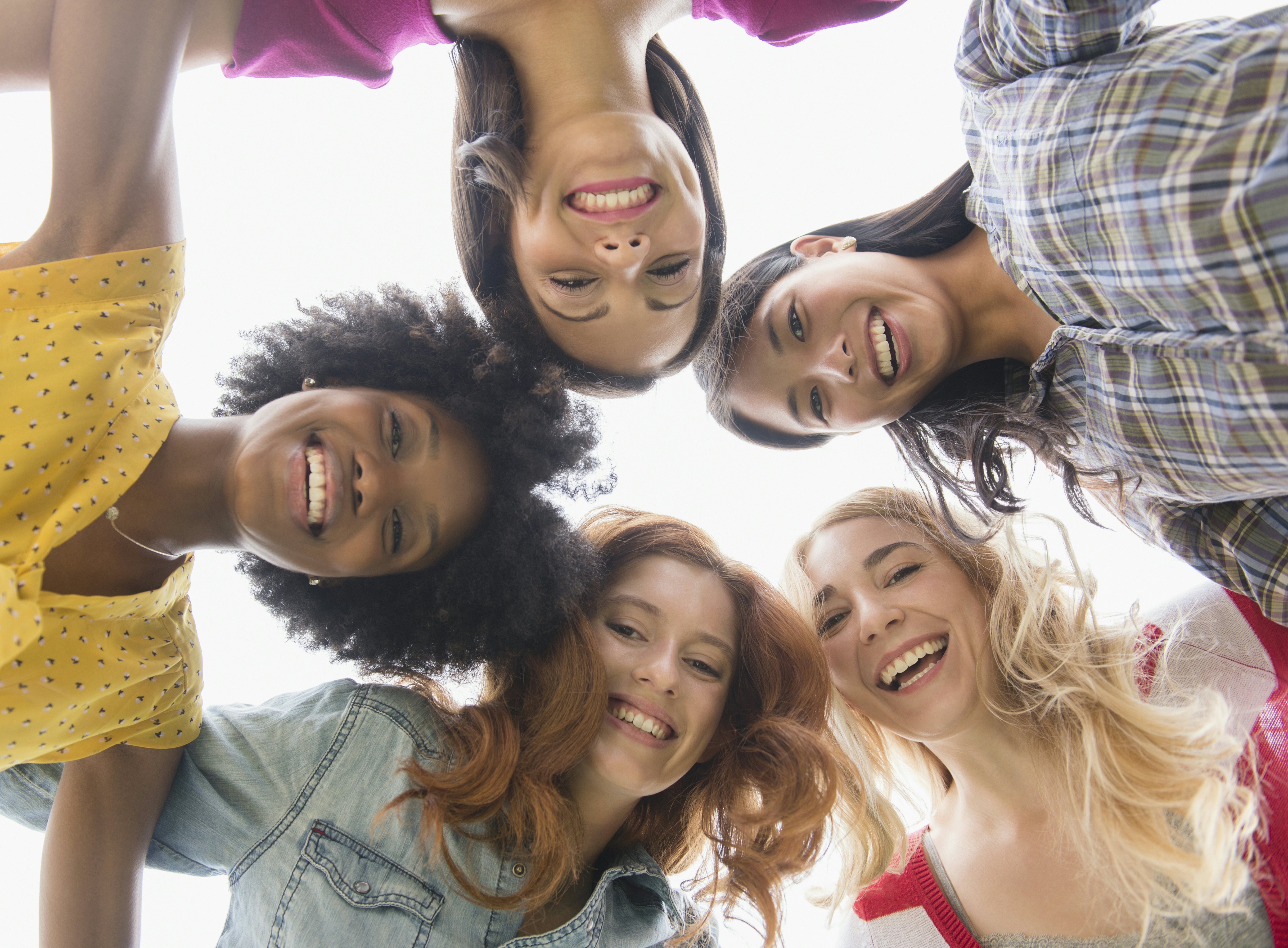
When you're reflecting on women of the past this March, consider the place of women in the modern world as well. The facts about women to remember during Women's History Month are eye-opening, alarming, and inspiring. Above all, they provide insight into the realities that many women are dealing with today.
Although many of the stats are relatively U.S.-centric, there are some facts that look at the global state of women as well. Educational and workplace equality are still concerns in many parts of the world. (On a happier note, most of the statistics coming out of the U.S. and around the globe concerning women’s education are trending positively.) Note that the COVID-19 quarantine could have shifted some of these statistics in the meantime, and it will probably take many more studies to determine exactly how the pandemic has affected women the world over.
Otherwise, the state of women in the modern world is both encouraging and enraging. But by taking a macro look at the trends, policies, and challenges that face today's women, you can get a better sense of the forces that govern our lives. There is still much work to be done, but so much has already been achieved.
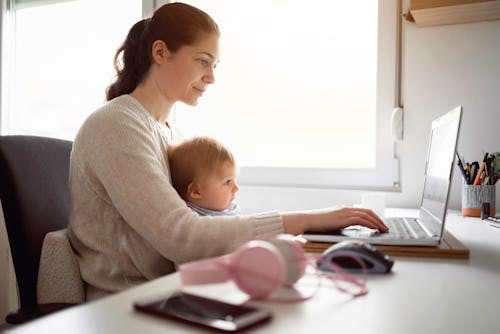
Over half of mothers with a child under the age of 1 are active in the labor force in the United States as of 2018, according to the U.S. Bureau of Labor Statistics. That number only increases as children age, and 76.4% of mothers with a child between the ages of 6 to 17 work.
Women made up 47.3% of the U.S. labor force in 2018, with over 78 million women workers, according to the U.S. Department of Labor. It’s been steadily increasing since 1920, when women made up 20.3% of the labor force.
Around 93% of high net worth women are involved in charitable giving, according to The 2018 U.S. Trust Study of High Net-Worth Philanthropy. Women are also more likely to support impact investing, which works to meet specific social or environmental goals while earning a financial gain. (Here’s how impact investing can help you make a difference in the world while making money, as reported in Bustle.)
Across the globe, women typically complete far more unpaid domestic and care work than their male counterparts, often spending three times as many hours on it, according to The World’s Women 2020: Trends and Statistics report from the United Nations. Although the care these women are providing is often essential, these workloads can harm their abilities to participate in wage work.
Nursing assistants, home health aides, and emergency child care workers, which are often considered essential roles, are also among the top jobs for women of color, according to the Center for American Progress (CAP). In fact, almost one-third of all nursing assistants and home health aides are Black women, as the CAP further reports.
Across the world, both boys and girls are equally likely to receive primary education in most regions, according to The World’s Women 2020. Global literacy rates have also improved steadily over the past few years.
In 1990, women entered a first marriage at the average age of 21.9, and that average rose to 23.3 years around 2010, according to Progress of the World’s Women from the UN. In fact, plenty of millennials tend to build a strong, years-long connection with their partner before considering marriage, according to Elite Daily.
Nearly 50 percent of athletes in the Olympic Games are female, and women have participated in every sport at the games since 2012, according to the Olympic Games. Any new sport joining the games must include a female division.
Over 60 percent of physicians under the age of 35 are female, according to a study of 18,000 physicians from Athena Health. And as of 2017, more women than men enrolled in U.S. medical schools, according to the Association of American Medical Colleges.
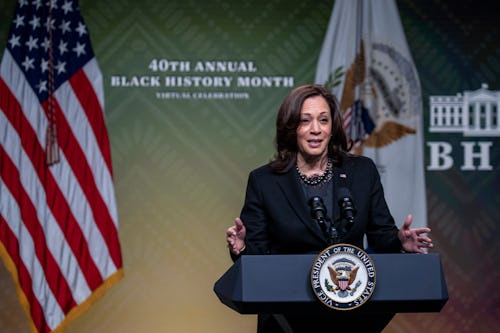
Out of 193 countries, 21 have a woman as head of state or government, according to the Council of Foriegn Relations. Having more women in leadership is associated with greater efforts at promoting equality and social welfare, as well as increased stability for the country overall.
A survey of 18 major U.S. museums found that, of the artists represented, 87% are men and 85% are white, according to the study Diversity of Artists in Major U.S. Museums. Groups dedicated to boosting the place of female artists include the bitingly satirical Guerrilla Girls, as well as TILA Studios, which is focused on increasing representation of Black women in the fine arts industry.
Of the 26 deaths attributed to violence against trans people in 2018, the majority of victims were Black transgender women, according to the Human Rights Campaign. There are many transgender rights organizations working to improve the lives of trans people and end the cycle of violence, according to Bustle.
From 2015 to 2020, the percent of women in senior vice president (SVP) roles grew from 23 to 28%, according to the Women in the Workplace report from LeanIn.org. Women in C-suite positions rose from 17 to 21%.
For 2019, around 43 percent of U.S. marathon runners were women, according to Marathon Statistics 2019 Worldwide. Of the 30 nations surveyed, the U.S. comes closest to gender parity for marathon participation.
In the United States, 61.7% of all accountants and auditors are women, according to research from Catalyst. Globally, nearly half of all accounting students are female.
Women in the United States account for only 4 percent of the world's female population, but U.S. women make up a staggering 30 percent of the world's population of women in prison, according to the Prison Policy Initiative. Nearly half of U.S. states incarcerate women at roughly 10 times the rate of international allies such as Portugal, Canada, and the United Kingdom
Of U.S. infants born in 2017, 84% started off life breastfeeding, according to the Centers for Disease Control and Prevention (CDC). This is an increase from 2011, in which 79% of newborn infants began breastfeeding, according to the CDC. There’s a lot of potential benefits to giving your kid breast milk, including a lower need for dental work or chance of developing allergies later in life, according to Romper. That said, the Fed is Best Foundation acknowledges that strictly breastfeeding isn't ideal (or possible) for every mother, and advocates the normalization of formula feeding, as further reported in Romper.
Worldwide, around 30 percent of women who've been in a relationship report experiencing physical and/or sexual violence from their partner, according to the World Health Organization. If you or a loved one is experiencing violence from a partner, contact the National Domestic Violence Hotline at 1.800.799.7233.
The leading cause of death for U.S. women, heart disease was responsible for approximately 1 out of every 5 female deaths in the United States in 2017, according to the CDC. Here’s the general symptoms of heart disease in women, as reported by Bustle, including chest discomfort and unusual fatigue. The good news is that you can help lower your risk of heart disease by quitting smoking, managing stress levels, and monitoring blood pressure, as further explained by the CDC. Talk to your doctor to learn more about things you can do now to help prevent heart disease.
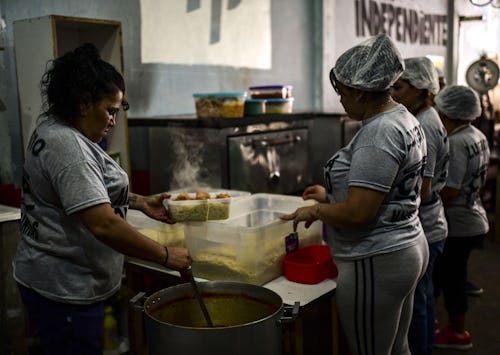
U.S. women are 35% more likely than men to face poverty, according to Legal Momentum. The wage gap, as well as a lack of affordable child care, contribute to this issue.
In fact, 3.6% of men identify as gay or bisexual, compared to the 3.4% of women who identify as lesbian or bisexual, according to The Williams Institute at UCLA School of Law. In addition, women are more likely than men to identify as bisexual.
As of 2019, women made up just over half of the U.S. labor market with a college degree, according to the Pew Research Center. This could mean positive things for womens’ overall earning power.
When compared to 40 other nations, only the U.S. does not require any paid maternity leave, according to the Pew Research Center. Most other countries require at least two months of paid leave, as further noted by Pew Research. (Individual states or companies in the U.S. may provide more comprehensive maternity leave policies.)
As of January 2020, women held 5.8% of CEO positions at S&P 500 companies, according to Catalyst. Women of color, those born outside the U.S., and LGBT women are especially underrepresented in these roles, as further explained in Catalyst.
In 2019, women made up 49.584% of the world’s population, according to The World Bank. Here's to the continued success, well-being, and care of all those individuals.
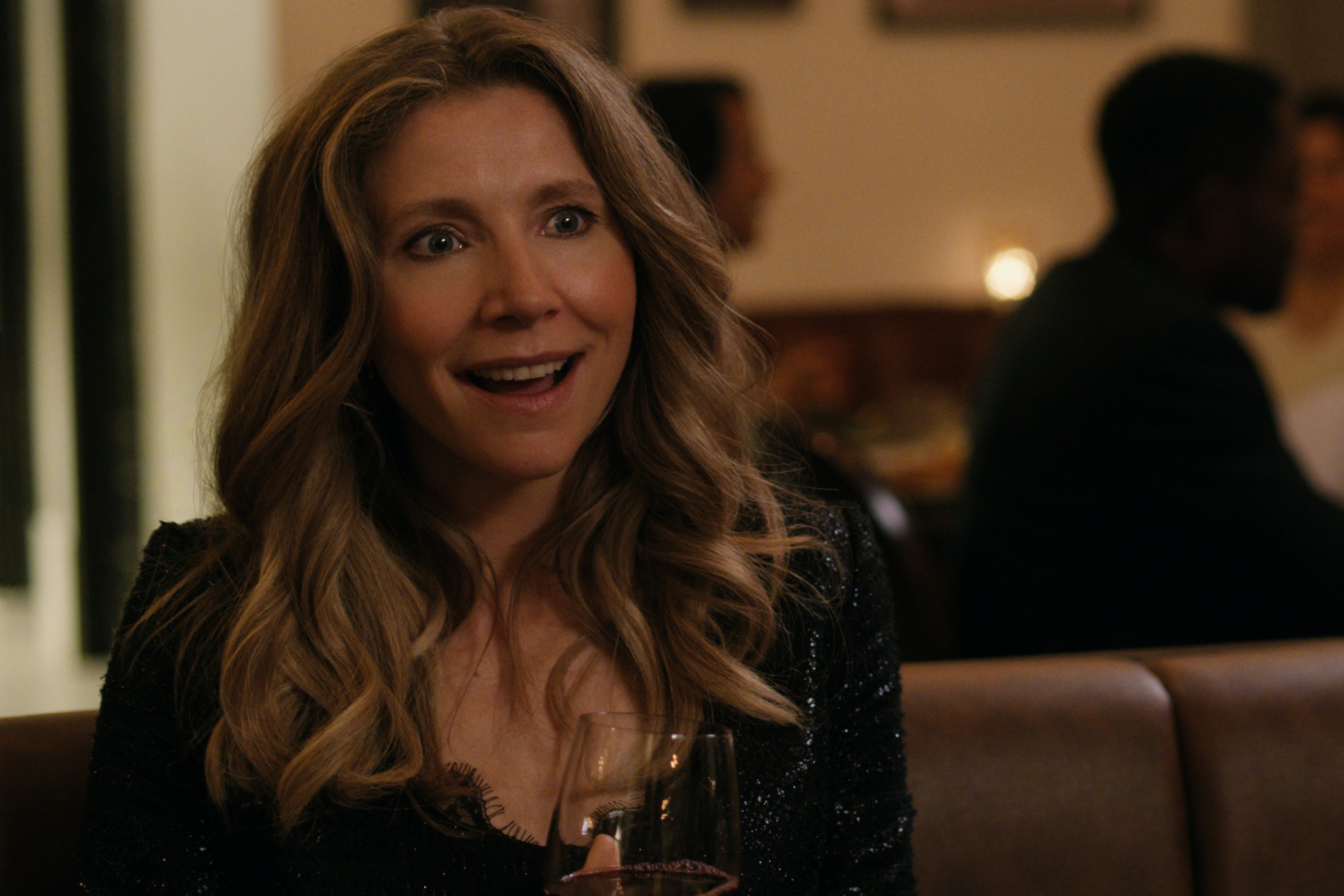
“Waffles, down!” Sarah Chalke yells, our interview interrupted by her dog who, after waiting for the perfect moment of distraction, has scrambled onto the table to gobble up the last of her family’s breakfast dishes. The moment feels like a snapshot from the past year: all of our compulsory house-bound lives interrupted by a steady stream of completely unpredictable moments — sometimes fun, often anxiety-inducing, and frequently pet-related.
“At the beginning of the pandemic, we were quarantining with my sister and her four kids, and three dogs and a cat,” laughs Chalke. “Never a dull moment.”
The everyday moments that make up a life are also the focus of her new Netflix series Firefly Lane, created by Maggie Friedman and shot in Chalke’s hometown of Vancouver, which follows long-time besties Kate Mularkey (Chalke) and Tully Hart (Katherine Heigl) throughout three different timelines: meeting as teenagers in the 1970s, pursuing careers in journalism in the ‘80s, and entering their 40s in the early 2000s, with their relationships, jobs, and relationships to motherhood in flux. Beloved for roles in Scrubs, How I Met Your Mother, and Rick & Morty, Chalke chatted with us recently from her snow-covered home about her own experiences with prioritizing family, parenting during quarantine, and the need for comfort food television during the pandemic.
Note: This interview contains spoilers for the first season of Netflix’s Firefly Lane.
First off, we have to ask you the question everyone has been asking themselves this past year: how are you handling the challenge of parenting in quarantine?
There's days where I'm like, "Oh, we're nailing this,” and then I'm like, "We are definitely not nailing this at all." At the beginning, I had all these plans, right? Like you think like, "Okay, we've got all this time. I'm going to get back into photography, and I'm going to teach the kids another language.”
Then you realize, once you get into the day-to-day of it, oh, just keeping up with the never-ending laundry, and the dishwasher, and the meals. You don't really get to Number 27 on the list. But I think that the most challenging piece, I would say, is that the goalposts for the kids are constantly changing.
For my daughter, it's quarter of her life. She said to me a while ago, "Mama, can you call the world and ask when coronavirus will be over? Then a few hours later she said, "Mama,” and I said, "Yeah." She goes, "Do you have the world's number?"
Every day you're like, "Okay, what are we going to do today?" At the beginning, we were like, "Okay, we're making rainbow pasta,” and my sister did a class on the United Nations and the rights of the child. I did one on cartoon voices with an audition cartoon script. We took my little microphone and the kids all recorded themselves. The other day, I did pratfall classes with the kids. My four-year-old was just so into it. She didn't want to stop. She was just doing laps, just running around in circles, falling.
It will be interesting to see what children remember from the quarantine. As horrible as it is, there’s the positive things that they'll remember from it, from being with their families.
Yeah, I read an article right at the beginning that said that for some kids, they will remember this is the best time of their life because they will have more of their parents than they’ve ever had. It will be really interesting to see what stands out.
One of the first things I did was buy everybody gratitude journals, because I was like, "If we're going to get through this, we’re really going to have to focus on that."
I asked them the other day, you know, “Let's talk about the good things that have happened,” and one of them said, "Oh, we'll never take anything for granted again after this." Before, if I was like, "Okay, we're all going for a hike,” the kids would whine and complain. Now they hike and they can't believe it because we're outside, we're seeing some of their friends, and they're running around with the dogs, and it's like the biggest event.
My son gets carsick and he hates driving in the car, and it was one day he's like, "Mom, let's go. Let's just go for a drive.”
Having kids was always the thing that I wanted the most in my life.
In Firefly Lane, your character goes back to work after spending time away to raise her now-teenaged daughter. Did you relate her concerns, working while welcoming your son in 2009 and daughter in 2016?
I think you always have that sort of concern. Having kids was always the thing that I wanted the most in my life. So, whatever time I needed to take for that and if something was or wasn't going to be there after I was, I felt like this is something that is just I'm going to do regardless. But I think you absolutely have those concerns, because in acting — I mean, sometimes you're lucky enough that they can write [your pregnancy] into a job, or you can work through it. I did that a little bit with [my first child], but with my second, I moved back up to Canada, and then traveled for work. And so Firefly Lane was such a gift because it shot here in my hometown and that was amazing.
It does feel like people are turning to more “comfort food” TV. Less murder, more women’s lives. Not that we don’t love murder mysteries! Do you find yourself doing the same?
Totally. I think that I'm somebody who normally I love watching things that are a little bit dark, kind of edgy and I can't right now. My friends and I are all watching The Bachelor and we've got a text chain about it. I love Queen’s Gambit. I binged that really quickly. That was so great. One of my favorite movies is Booksmart, and I've watched it like three times over the pandemic because it's so funny and it feels so good to laugh right now. But yeah, I feel like the nice thing about Firefly is the fact that it actually takes place in '70s, '80s, and 2001. It has nothing to do with this time period.
The show also focuses on this long-standing female friendship, and between work and our immediate families, it feels like friendships are the other aspect of life that it can be difficult to cultivate. Have you figured out how to stay connected to long-time friends?
We have a text chain called “A Panoply of Practical Preparatory Plans in the Period of Pandemonium in the Pandemic.” We've been actually having Zooms, which obviously everyone's spending way too much time on our screens for work and other things. But we've been trying to have at least every couple of weeks have a glass of wine together on Zoom.
With my closest friend, I thought, "This is going to drive a wedge between friendships,” and I was just like, "We're not going to do that here." So, as everybody's comfort level shifts, I said, let's just always talk about it and say, like, "You know what? I'm comfortable with this. I'm not comfortable with this."
Some of the conversations around Firefly Lane online have also been about Tully’s miscarriage in Episode 8 (“Mawaige”), how the show explored the expectation that women could go through this private, extremely difficult experience, but are then expected to go about business as usual.
I loved how they did it. How she had to go back to work, and then she ends up deciding to share it with the audience and asking how many miscarriages. You just see this visual of all these hands going up. When you see how common it is, and what an unbelievably painful experience it is for women, and, like you said, how you're expected to just move on with your life and life goes on. But you're left with this tragedy.
I was glad the show dealt with it because I feel like, especially when it's something like that that's not talked about a lot, you just don't know who you're going to reach, who it's going to touch. Who's going to feel less alone as a result of watching the storyline or it being talked about. I do think that TV can be a meeting for starting up conversations and you never know what it can open up for people to talk about it.
Firefly Lane is available to stream on Netflix.


