

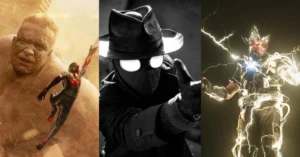
Alright, folks. Let's start at the beginning, one last time.
Prime Video just dropped its teaser for "Spider Noir", starring Nicholas Cage as the titular character. It drops us in 1930s New York, a city drenched in rain, shadow, and cigarette smoke, where the detective known as The Spider-Man isn't just swinging through skyscrapers.
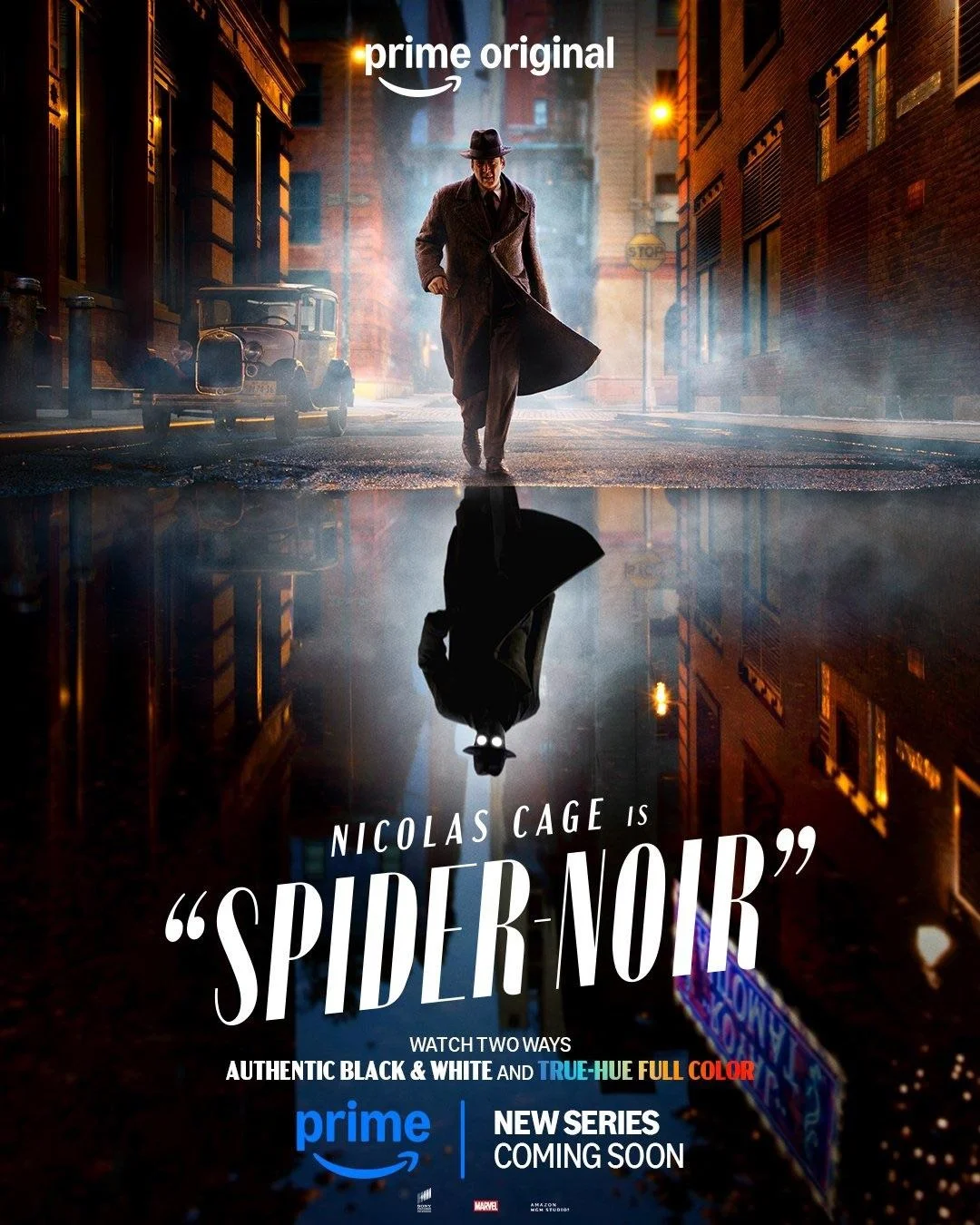
While you might know this character from the Spider-Verse films, this is the first time he's been portrayed in the live-action format. And what better than to bring the voice actor for that character back into the fold to navigate a maze of crime, betrayal, and old grudges? While this might be a weird comparison, think of him as the Batman of Spider-Men. Yes, this version is older, grizzled, and isn't your typical Spider-Man. He's a detective, a survivor, a man haunted by his past and the villains waiting in the shadows are no less complex.
Oh yeah, he's not Peter Parker either. This time, he's Ben. Ben Reilly.
Of course, what is Spider-Man without some foils for him to play with? Indeed, Spider Noir is going to incorporate a bunch of Spider-Man villains, classic and obscure, into the fold. And it will be interesting to see how these characters are translated into a 1930s setting.
So, buckle up, because we're diving into the six sinister villains who make "Spider-Noir" a story as much about human desperation and circumstance as it is about superpowers.
Silvermane
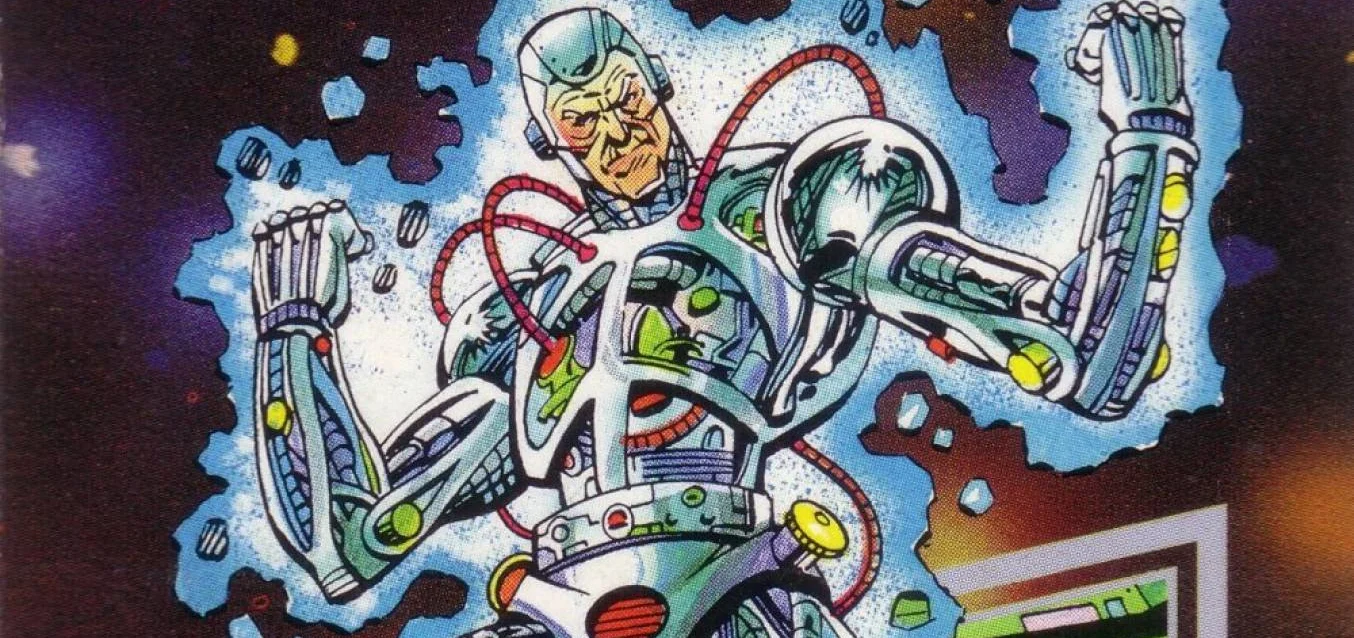
In the comics, Silvermane, also known as Silvio Manfredi, stands as one of Spider-Man's most enduring mob adversaries. A longtime leader within the Maggia, one of Marvel's fictional organised crime syndicates, he builds his empire through strategy, intimidation, and an obsession with control. Over the years, he cheats death, pursues immortality, and even transforms himself into a cyborg just to maintain power.
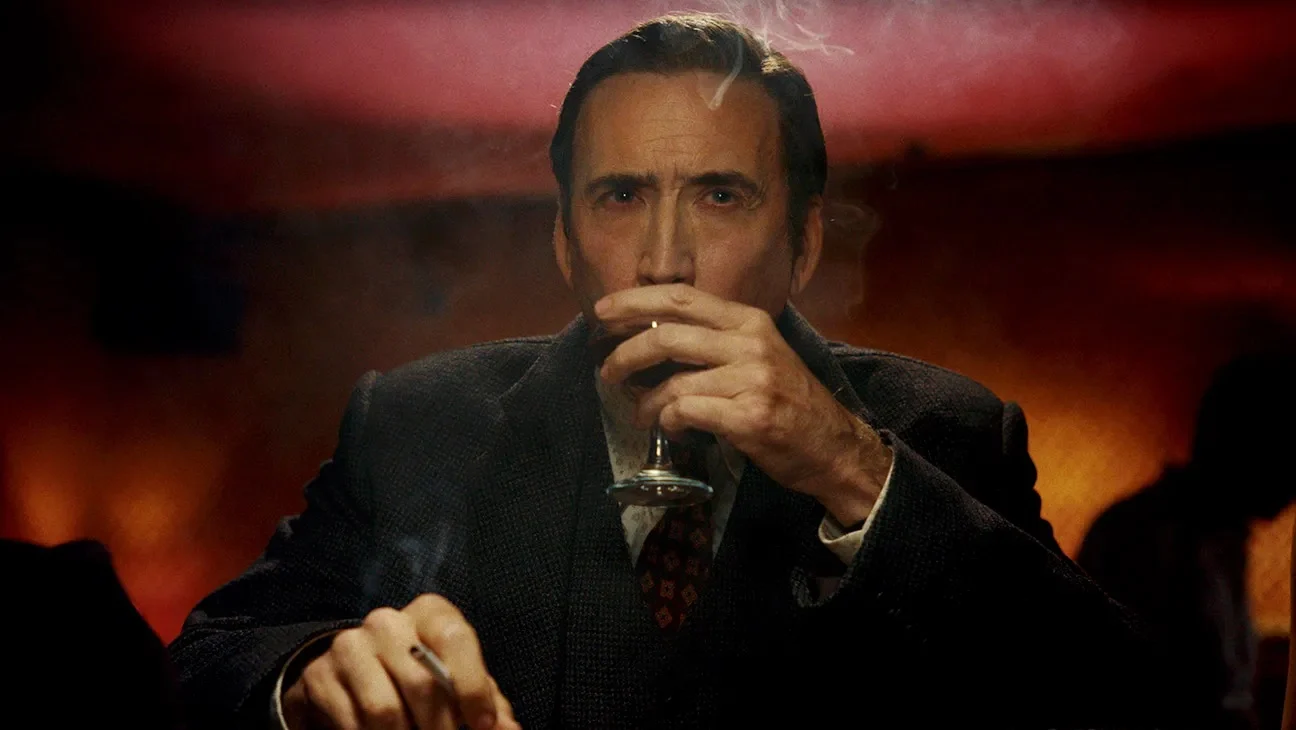
Now, in this series, Silvermane is played by Brendan Gleeson, giving life to a 1930s-era mob boss. It remains unclear whether he officially leads the Maggia in this universe, but the organisation's shadow looms large over Spider-Man lore. If the series stays true to the character's roots, Silvermane likely sits at the centre of that criminal network, pulling strings from behind heavy wooden desks and smoke-filled back rooms.
What makes this version especially compelling is how he views the world. Gleeson describes him as a philosopher with a "drone-eye view," someone who sees the entire board while others focus on single moves. He has survived multiple assassination attempts. He has built a reputation strong enough to inspire both fear and loyalty. Indeed, he is dangerous not because he shouts the loudest, but because he understands the system better than anyone else in the room.
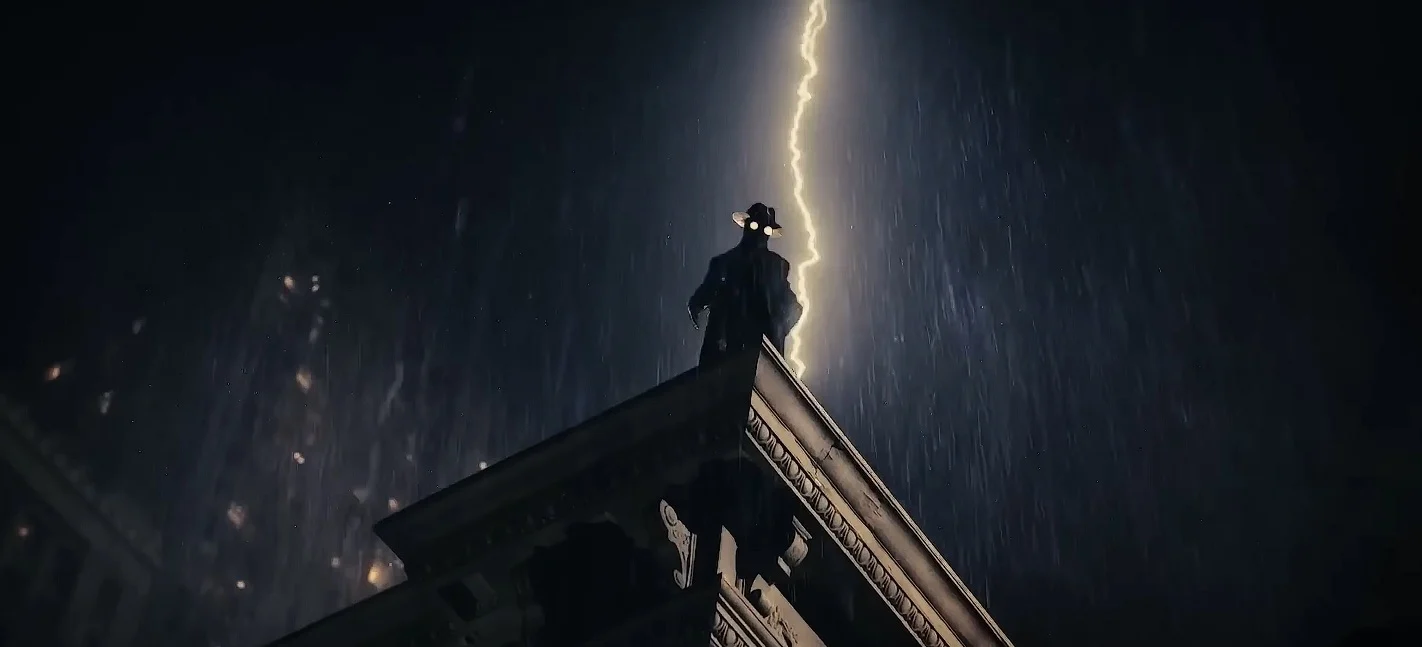
Silvermane's ties to Ben Reilly himself will also be explored. Series co-creator Oren Uziel teases that the season follows a classic detective structure. Two seemingly separate cases slowly reveal themselves as one. Silvermane may stand as the obvious big bad, but what is happening around him connects directly to Ben's past. That connection drags Ben deeper into a fight he does not want and forces him to confront the origins he has tried to outrun.
Interestingly, the 80s animated version of Silvermane bears a resemblance to Gleeson. Whether intentional or not, the casting feels aligned with the character's classic depiction as an ageing but formidable crime lord whose presence alone fills a room.
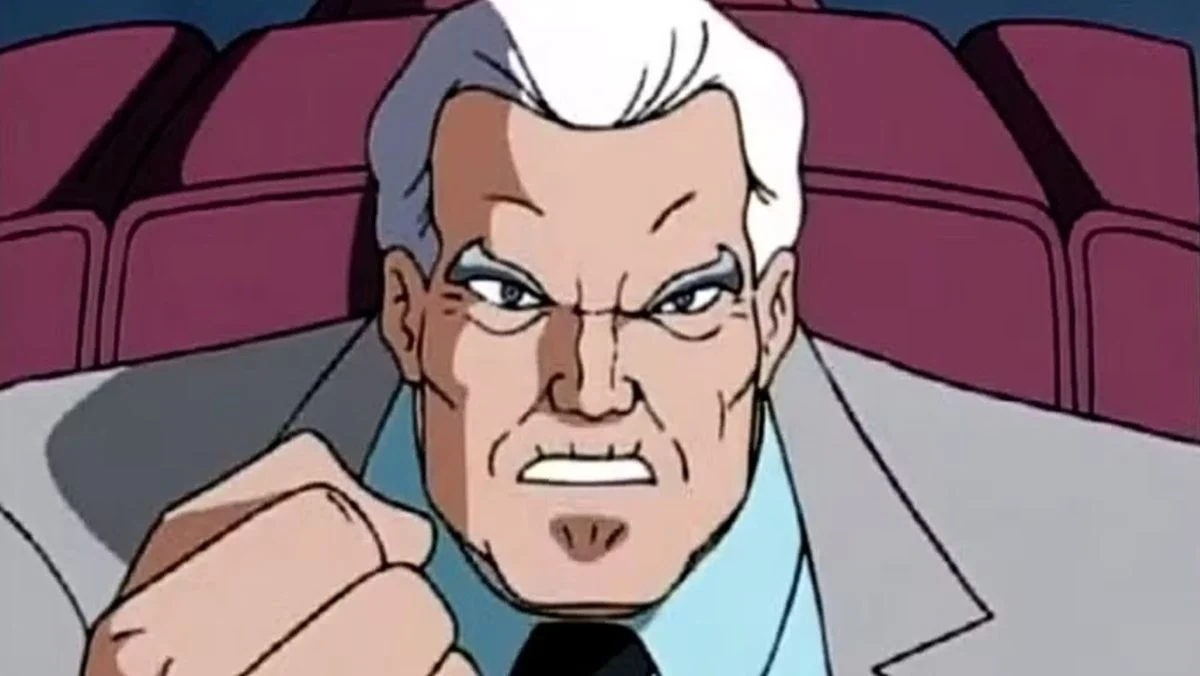
Whether Gleeson would be donning silver and getting a cybernetic upgrade in "Spider Noir" remains a mystery for now. But we are certain that he will be a dangerous season-long presence for our hero.
The Sandman
Flint Marko made a huge, swirling impression in "Spider-Man 3″, where Sandman rose out of the gravel as a tragic, effects-driven powerhouse. Played by Thomas Haden Church, that version leaned into spectacle. He controlled beaches, built towering sand clones, and swallowed entire streets. But what truly made him work was the emotion. He was desperate, not cruel. Cornered, not monstrous.
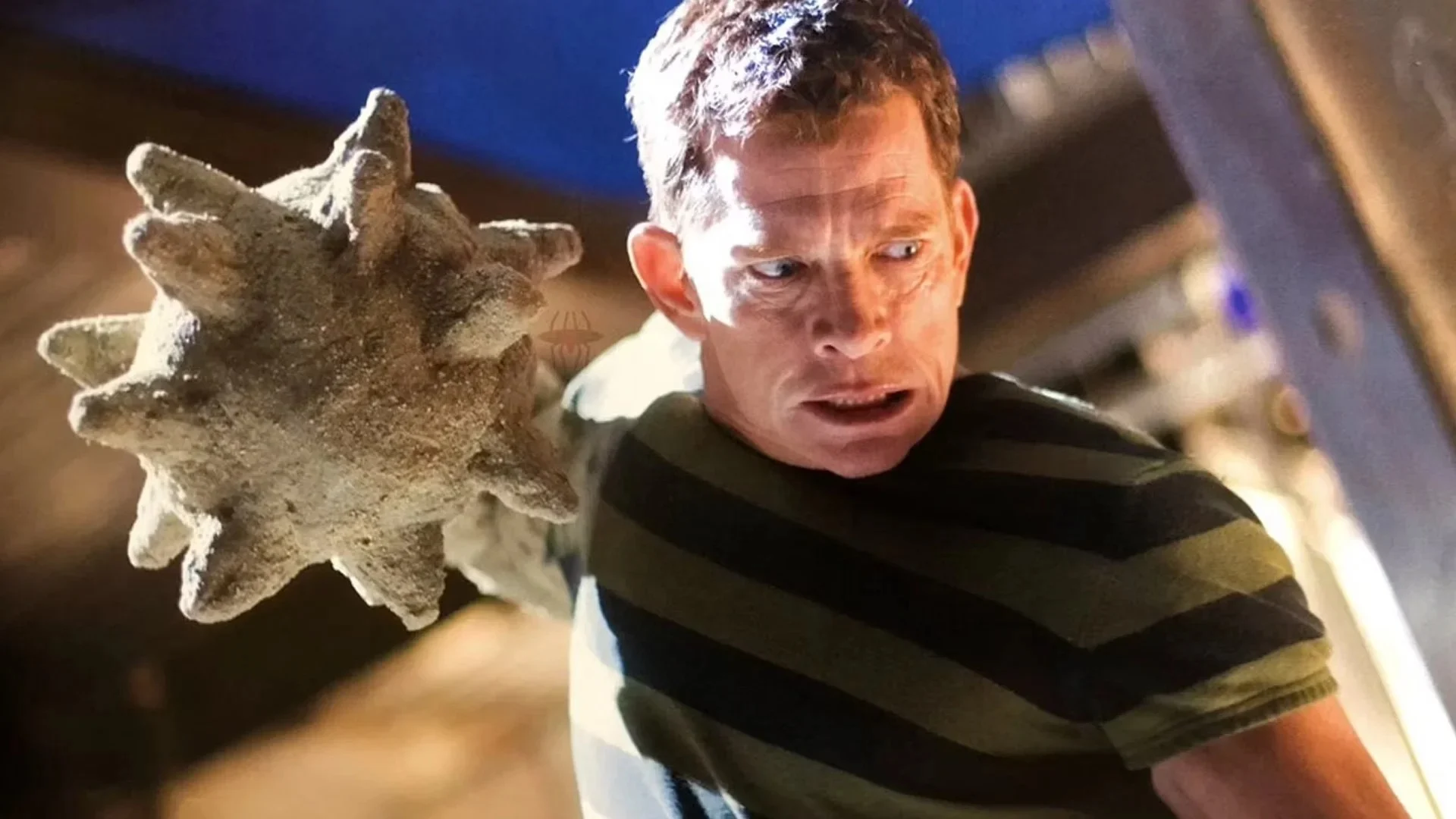
However, Sandman in the Noir comics universe does not whip up sandstorms or reshape the environment around him. His body itself carries the weight. Spider-Man describes his punches as feeling like granite. He manipulates his own dense, sand-like physiology, which makes him brutally strong and nearly immovable. He earns the nickname not because he controls the desert, but because he feels like it.
Now, Flint Marko, played by "Fargo's" Jack Huston in "Spider Noir", appears to begin as hired muscle. A man who's called in when negotiations go south. Whether he works directly for Silvermane or for a rival gang remains unclear, but the setup feels rooted in street-level crime. He does not need spectacles to be dangerous. And honestly, that tracks perfectly with the noir version of the character.
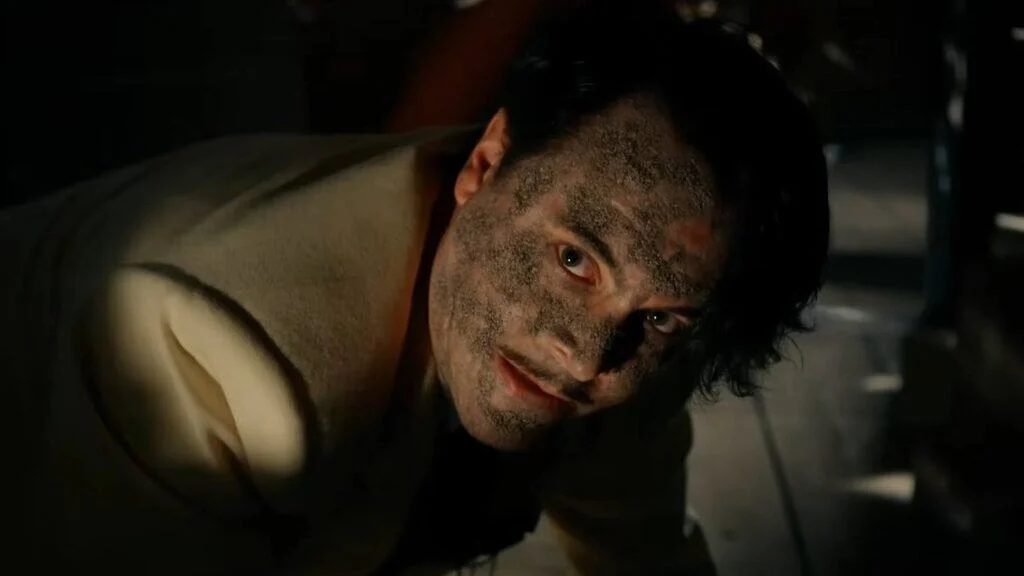
This Sandman does not tear through city blocks. Instead, he stands his ground. He absorbs hits. He throws punches that land like concrete slabs. In a smoky back room or a rain-soaked alley, that kind of power feels far more grounded and intimidating than a swirling CGI storm.
The tragedy angle still works here. What makes Flint Marko compelling has never been just his abilities. It is the circumstance behind them. In Depression-era New York, a man built like granite could easily become a tool for those with money and influence. Limited options. Hard labour. Survival over morality. That context alone shapes him into a tragic figure long before any transformation.
Electro
Electro is another recognisable villain from Spider-Man lore. In the comics, Electro, also known as Max Dillon, gains his powers after an electrical accident and becomes one of Spider-Man's most volatile enemies. In live action, Jamie Foxx brought the character to life in "The Amazing Spider-Man 2" and later reprised the role in "Spider-Man: No Way Home".
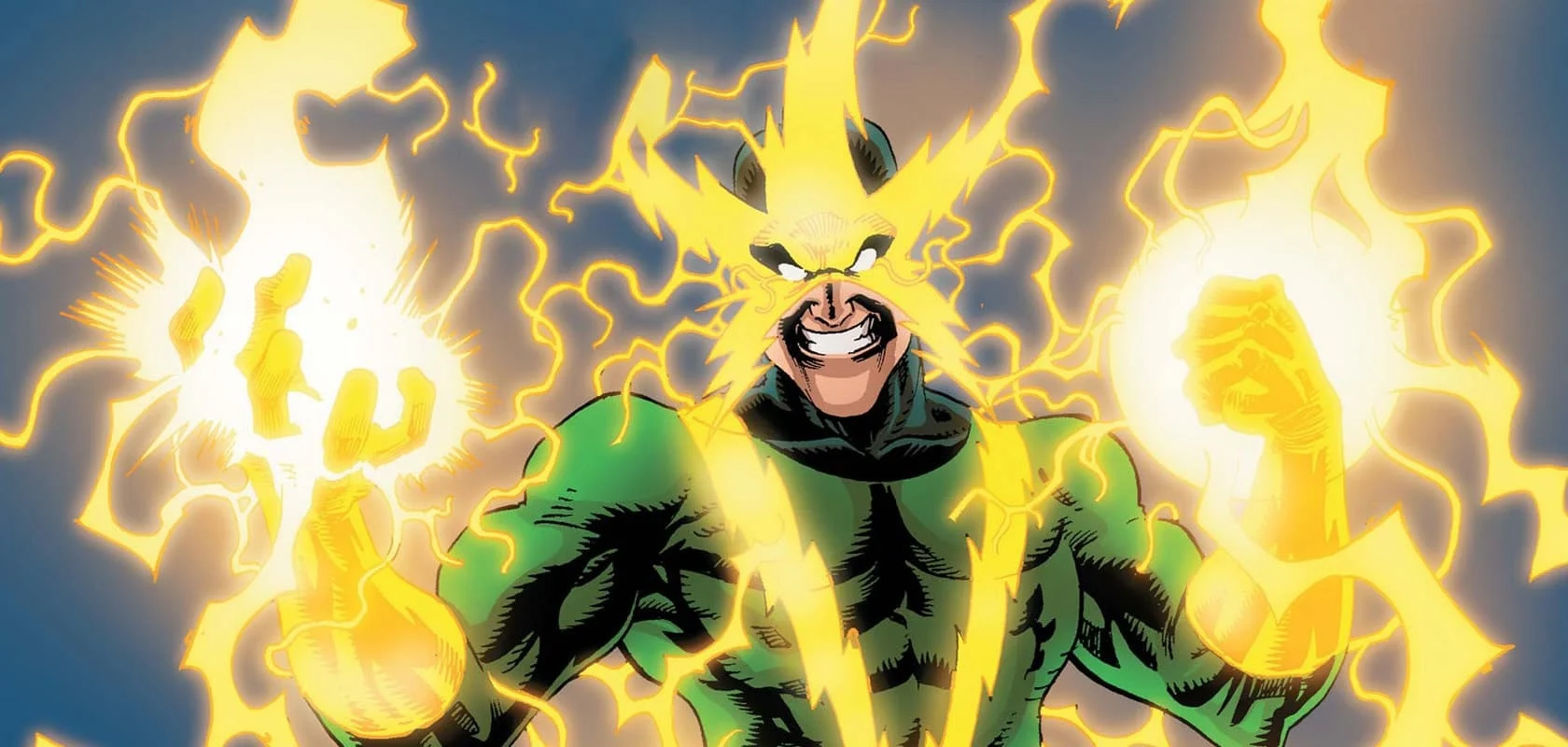
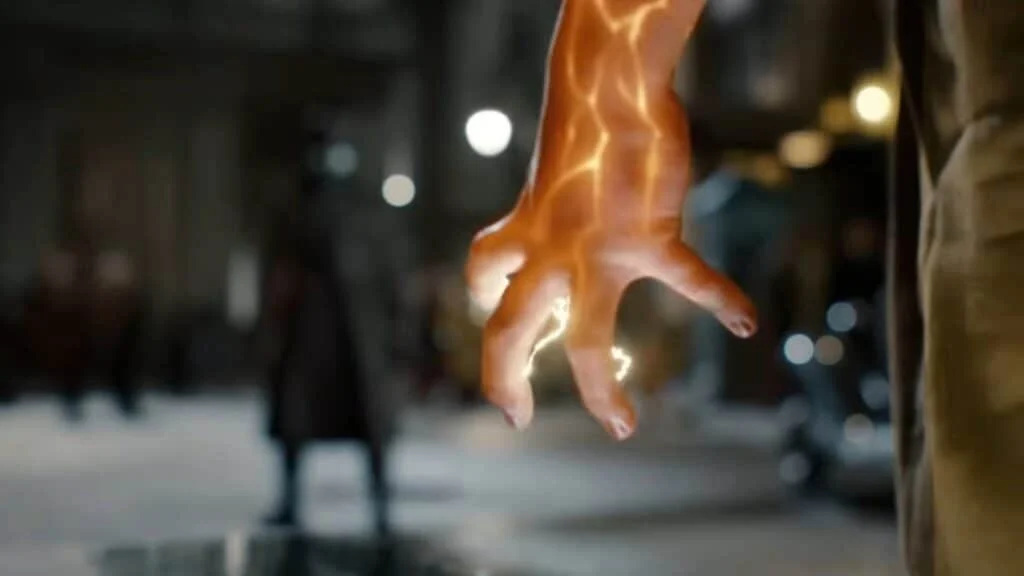
Now, "Spider-Noir" has not officially confirmed Electro's appearance. His casting has not been announced. But considering that the trailer shows a man with an arm glowing with organic electricity, it is hard not to connect the dots. It probably isn't Shocker, who relies on gauntlets to fire concussive blasts. This feels like something coursing through the body itself, so the perfect inference is that that is Electro.
So, having an electricity-based villain in a 1930s setting could take on a powerful new meaning.
Electricity during the Great Depression symbolised progress. Expanding power grids meant jobs, growth, and the promise of a modern future. But it also carried real danger. Unsafe conditions, faulty wiring, and large-scale infrastructure projects often put workers at risk. A noir version of Electro could be a labourer exposed to a catastrophic failure in the city's power system. Instead of becoming a flashy supervillain, he becomes a walking consequence of industrial ambition.
Molten Man
Molten Man has technically brushed up against live action before. In "Spider-Man: Far From Home", a fiery creature inspired by Molten Man appeared as one of Mysterio's large-scale illusions, alongside Hydroman and a sand-like monster. But it isn't really Molten Man as a physical human character in that sense, which "Spider Noir: aims to correct.
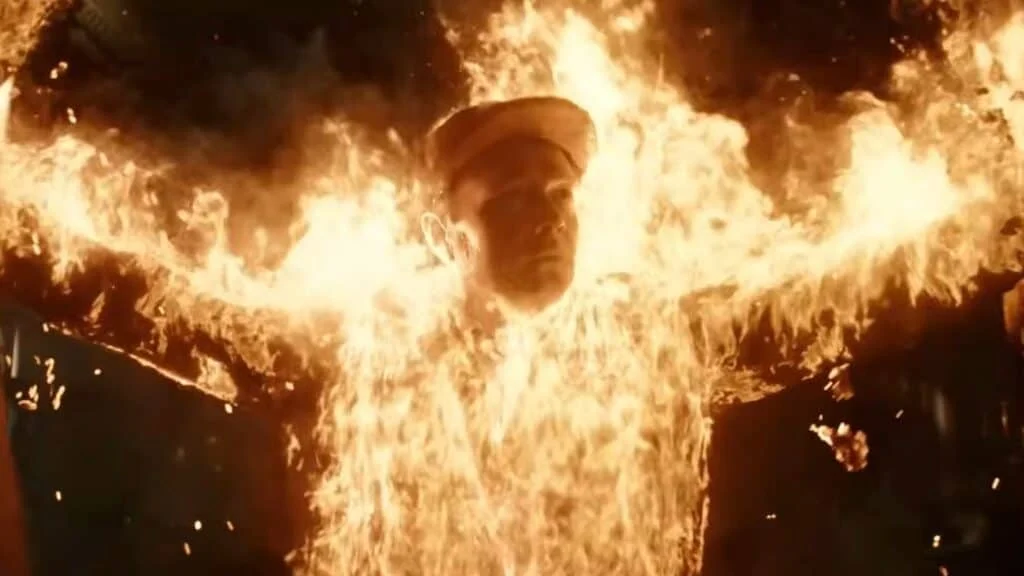
Now, in the trailer for "Spider-Noir", we glimpse something different. He's a man on fire. Not a towering lava beast tearing through Europe, but a burning figure that feels disturbingly human.
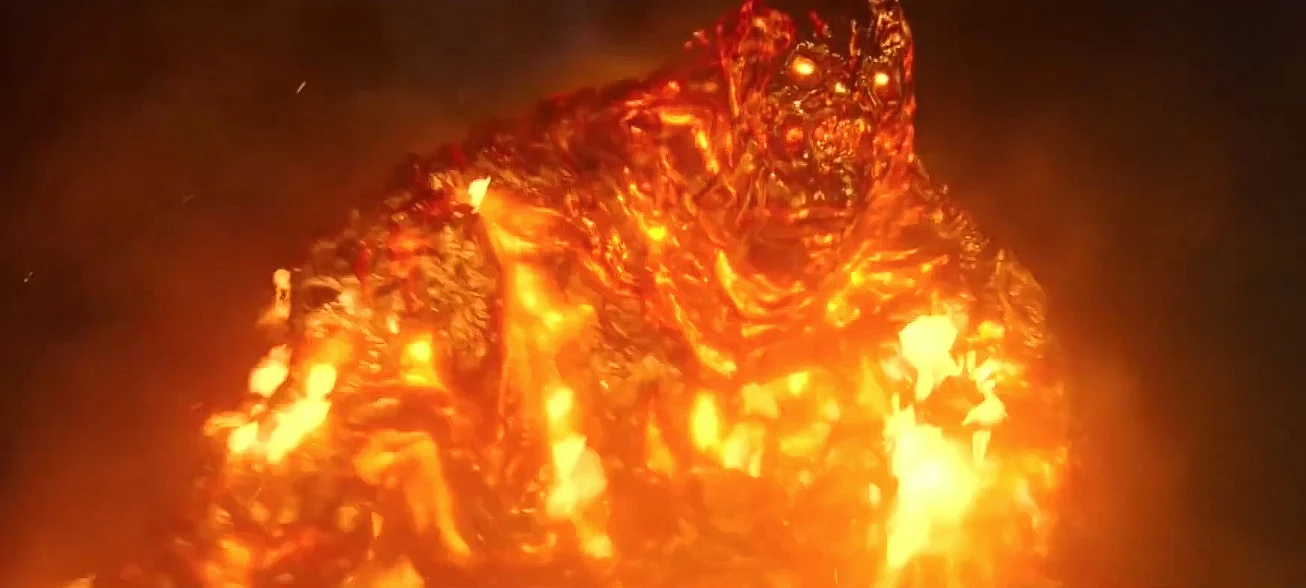
In the comics, Mark Raxton transforms after an industrial accident involving an experimental liquid metal alloy. His skin turns metallic and molten, granting him immense strength and the ability to generate intense heat and radiation. He becomes powerful, but unstable. His own body threatens to consume him.
In a grounded 1930s noir universe, that origin can evolve in a way that feels painfully real. Instead of a lab accident with meteor alloys, this version could be a factory worker caught in unsafe industrial conditions. It could probably weave in themes of corporate corruption and corner-cutting in this Noir backdrop. If Molten Man emerges from that world, he becomes more than a superpowered antagonist. He becomes a walking indictment of a system that values profit over people.
Man-Spider
Interestingly, we're getting Man-Spider, as he is one of Spider-Man's more unsettling transformations. He's a full-on mutation where Peter becomes a monstrous, multi-limbed creature. It's the kind of mutation that strips away control, leaving raw instinct and frightening power in its place.
In the comics and 1990s animated series, Man-Spider spouts acid, grows extra limbs, and fights with animalistic ferocity, all while retaining just fragments of Peter Parker's memories and emotions. It's Spider-Man stripped to his most primal, unrecognisable self.
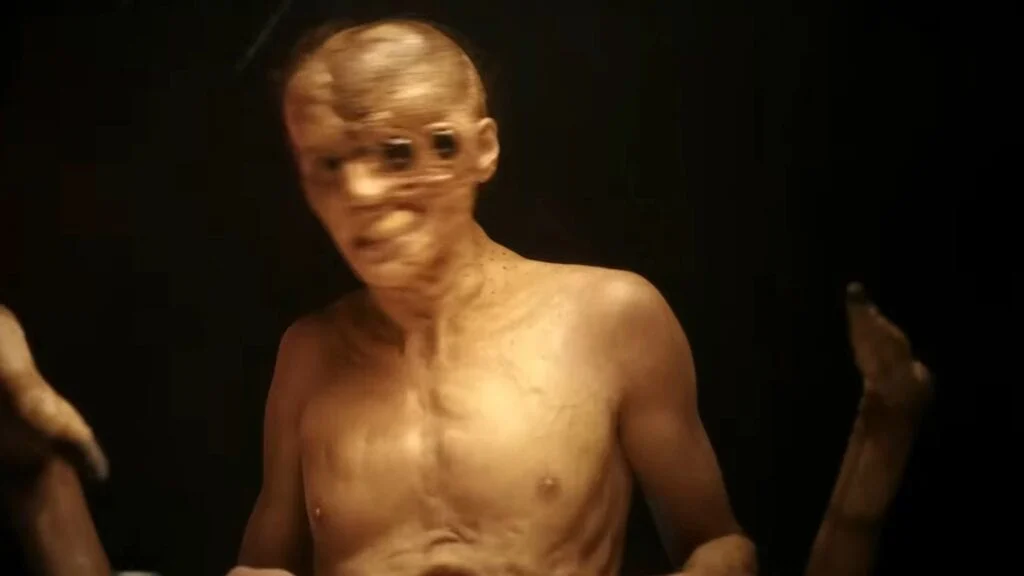
In "Spider-Noir", we probably won't see Ben Reilly actually turn into Man-Spider. But the trailer hints at something that could channel the same terror. Perhaps another character is pushed to this extreme, or maybe the monstrous image appears in Ben's mind as a hallucination tied to guilt, regret, or the consequences of his past actions.
That approach fits the noir tone perfectly. The fear isn't just physical. It's psychological. Man-Spider could exist as a symbolic monster. It could be a representation of what happens when obsession, corruption, or personal failure mutates someone from the inside out. By keeping the transformation figurative or tied to another character, the show can play with horror and tension without needing to depict a full-on CGI nightmare.
Mister Negative
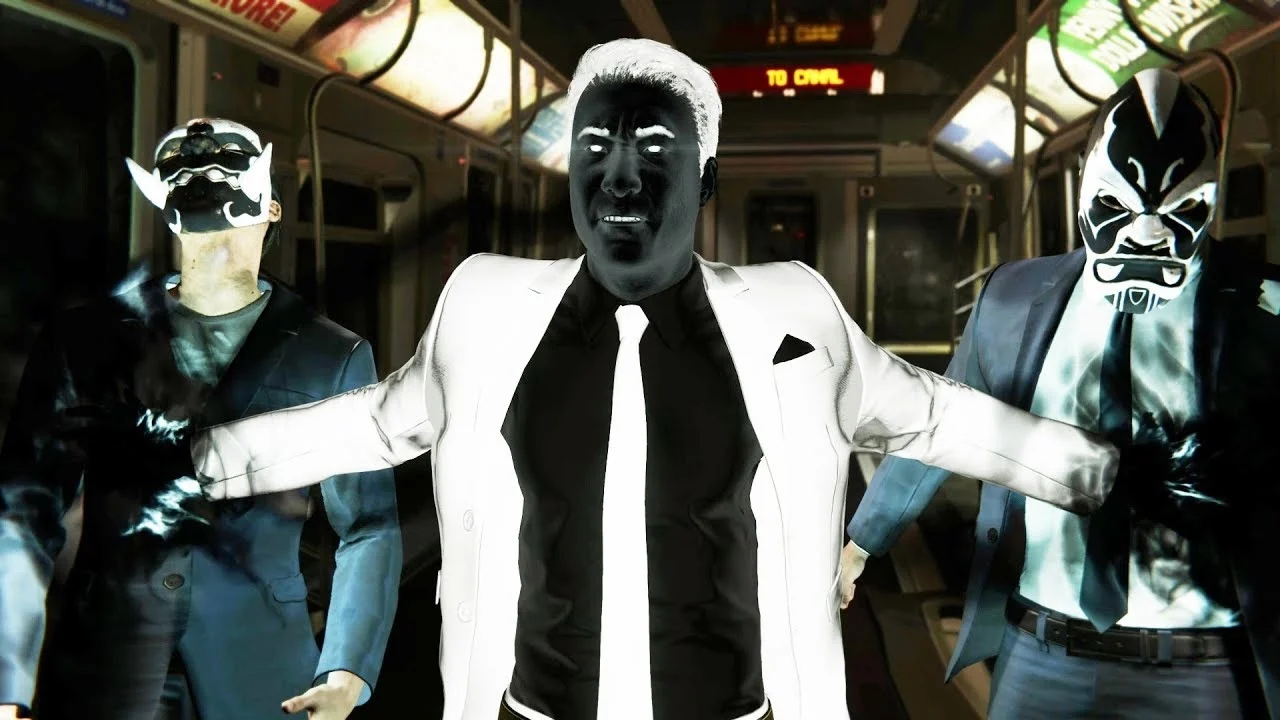
Mister Negative is one of Spider-Man's more visually striking and thematically complex villains. In the comics, Mister Negative, also known as Martin Li, first appeared in Free Comic Book Day: The Amazing Spider-Man #1. Created by Dan Slott and Phil Jimenez, the character is built around duality: the kind, philanthropic Mister Positive and the ruthless crime lord Mister Negative. His powers stem from a mysterious experiment conducted by crime boss Silvermane, granting him control over both Darkforce and Lightforce, healing abilities, and the power to "corrupt" the minds of others.
In the trailer for Spider-Noir, Mister Negative makes an immediate impression. We see him walking down a dark alley, the shot pure noir poetry: Ben Reilly in his dark trenchcoat, rain-slicked streets, and then Mister Negative's inverted, negative-hued figure cutting a stark, unforgettable silhouette.
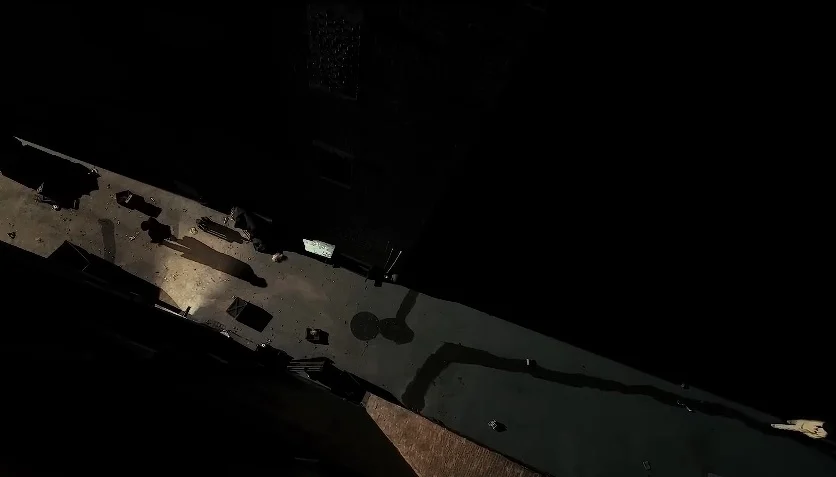
The noir setting plays perfectly into what makes Mister Negative so fascinating. It's the collision of light and dark, good intentions and ruthless ambition. In a world like 1930s New York, where survival is a moral test and power often comes at the expense of others, Mister Negative's corruption feels both supernatural and disturbingly human.
This version also hints at a more personal threat to Ben Reilly. The trailer frames him as stalking, observing, and perhaps testing the Spider. That quiet menace, combined with his striking visual design, makes Mister Negative one of the most compelling and unnerving figures in "Spider-Noir".
Watch the Black & White Teaser here:
Watch the True Hue-Full Colour Teaser here:
Spider Noir is releasing in noir black & white and true hue colour on the 28th of May! Choose your own colour grade.
The post 6 Sinister Villains We Spotted Lurking in Prime Video's "Spider-Noir"! appeared first on Hype Malaysia.


0 comments:
Post a Comment